
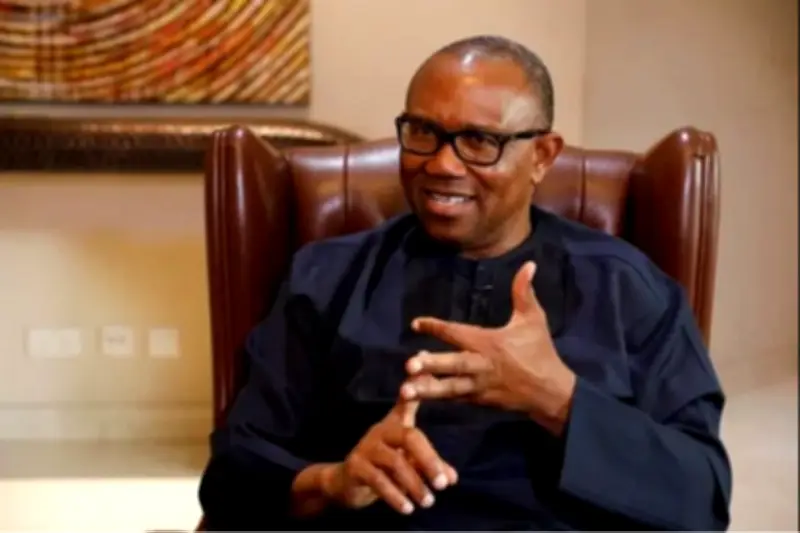
Former Anambra State Governor and Labour Party presidential candidate Peter Obi has unveiled a strategic plan aimed at shifting Nigeria's economy from consumption-centric to production-oriented. The plan focuses on revitalizing local industries, reducing reliance on imports, and creating sustainable jobs.
Key Pillars of the Production Agenda
Obi's proposal centers on four major pillars: agriculture, manufacturing, solid minerals, and technology. He emphasized that Nigeria must leverage its abundant resources to produce goods locally rather than importing them. According to Obi, the country currently spends over $10 billion annually on food imports alone, a trend he plans to reverse within five years.
Targeting Import Reduction
Speaking at a business forum in Lagos, Obi stated: 'We cannot continue to consume what we do not produce. This plan is designed to make Nigeria a hub of production, especially in agriculture and manufacturing.' He proposed providing low-interest loans to farmers and small-scale manufacturers, as well as improving infrastructure like power and roads to reduce production costs.
Role of Technology and Innovation
The plan also emphasizes digital transformation and innovation. Obi called for the establishment of innovation hubs in each state, with a focus on technology-driven solutions for agriculture and manufacturing. He highlighted that youth engagement in tech startups can drive economic diversification and reduce unemployment.
Funding and Implementation Strategy
To fund the initiative, Obi proposed redirecting a portion of oil revenue and cutting wasteful government spending. He also suggested partnering with international development organizations and private investors. 'We have the resources; what we lack is the political will to deploy them wisely,' Obi added.
Expected Economic Impact
If implemented, the plan could create millions of jobs and significantly reduce poverty. Obi cited statistics that over 40% of Nigerians are unemployed or underemployed, and shifting to a production economy could cut that number by half. The transition would also stabilize the naira by reducing demand for foreign exchange on imports.
Reactions and Criticisms
Economic analysts have welcomed the plan but caution about implementation challenges, including corruption and policy inconsistency. However, Obi expressed confidence that with proper governance and accountability, Nigeria can achieve its production potential. The plan has sparked debate ahead of the upcoming elections, with supporters calling it a roadmap for economic revival.




