
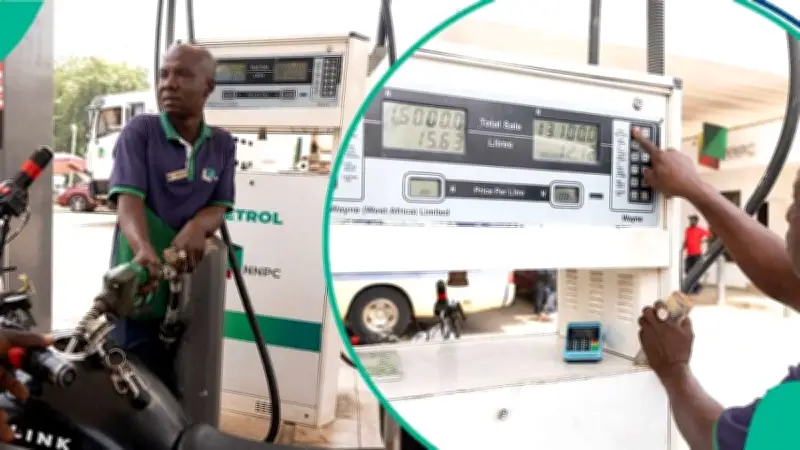
The landing cost of imported Premium Motor Spirit (PMS), commonly known as petrol, has dropped significantly to N1,003 per litre, deepening the price gap between imported fuel and supplies from the Dangote Refinery. The decline, driven by falling global crude oil prices, also affects diesel and liquefied petroleum gas (LPG), offering potential relief for Nigerian consumers.
Falling Crude Prices Drive Down Fuel Costs
The sharp decline in petroleum product prices follows the reopening of the Strait of Hormuz after tensions between the United States and Iran eased, restoring confidence to global oil markets. According to data from Oilprice.com, international crude oil benchmarks recorded their lowest levels since March on Sunday, June 28, 2026. Brent crude traded at $72.00 per barrel, while West Texas Intermediate (WTI) sold for $70.01 per barrel. Murban crude also declined to $68.70 per barrel. The drop in crude prices has reduced the cost of importing refined petroleum products into Nigeria, resulting in lower landing costs for marketers.
Petrol Lands at N1,003 Per Litre
The latest pricing bulletin released by the Major Energy Marketers Association of Nigeria (MEMAN) on June 25, 2026, shows that the landing cost of imported petrol fell to N1,003 per litre. The bulletin also indicated that the landing cost of automotive gas oil (diesel) declined to N1,239.99 per litre, while LPG remained at N925,000 per metric tonne. These figures highlight the continued downward trend in the international energy market after weeks of elevated prices driven by fears of supply disruptions.
Gap Widens Between Imported Petrol and Dangote Refinery
The latest import cost is now substantially below the N1,125 per litre ex-depot price currently offered by the Dangote Refinery, despite the refinery's recent N50 per litre reduction. The widening price difference has reignited calls from industry analysts and marketers for the refinery to introduce more substantial price cuts that reflect prevailing global crude oil prices. Many observers believe stronger competition between imported fuel and locally refined products could ultimately benefit consumers through lower retail prices.
Hope for Motorists and Households
The decline in landing costs offers renewed hope for motorists, transport operators and households struggling with high transportation and energy expenses. If the lower import costs are sustained and marketers pass on the savings, retail petrol prices could decline in the coming weeks, easing pressure on inflation and reducing the cost of doing business across the country. For millions of Nigerians battling rising living costs, the continued fall in global oil prices may provide a much-needed reprieve, particularly if competition among fuel suppliers translates into cheaper petrol, diesel and cooking gas at filling stations and retail outlets nationwide.
Nigerians Still Paying Over N1,000 for Petrol
Despite the drop in landing costs, many Nigerians are still paying around N1,200 per litre for petrol. The persistent high pump prices, even as global crude prices fall following a peace agreement between the US and Iran, have left motorists frustrated. Expectations for cheaper fuel remain high, but the hoped-for affordability has yet to materialize at the pumps. Industry watchers continue to monitor the situation, urging marketers to reflect the lower import costs in retail prices.




