In a significant move to address deep-rooted instability, Nigeria's private sector leaders have joined forces with civil society and development financiers to forge new strategies for peace and prosperity in the nation's most vulnerable regions.
A High-Level Dialogue for Sustainable Solutions
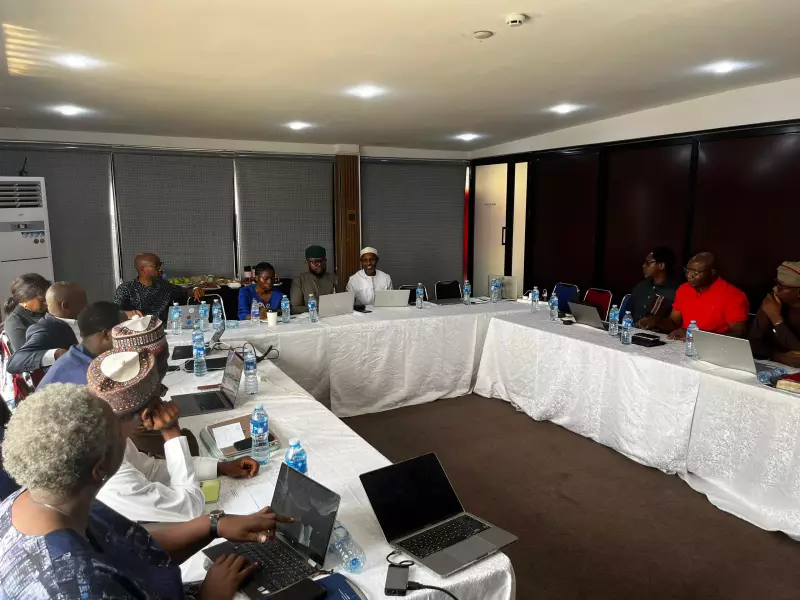
The pivotal meeting, a high-level roundtable, was convened in Abuja on December 21, 2025. It was organized by the Preventing and Countering Violent Extremism (PAVE) Network in partnership with the Global Community Engagement and Resilience Fund (GCERF). The core mission was clear: to craft innovative, market-driven approaches that strengthen economic resilience and prevent violent extremism.
Senator Iroegbu, National Coordinator of the Media Against Violent Extremism (MAVE) Network, confirmed the attendance of major stakeholders. The roundtable featured influential figures including PAVE Network Chairman, Jaye Gaskia; GCERF Nigeria National Coordinator, Yetunde Adegoke; and CEOs from leading agribusiness and foundation sectors.
In his opening remarks, Jaye Gaskia set a transformative tone. He emphasized that the initiative was not merely a fundraising appeal to the private sector. Instead, it sought a comprehensive partnership encompassing technical expertise, innovative ideas, and long-term collaboration to tackle the complex drivers of fragility. "Sustainable peace cannot be achieved without inclusive economic systems that create opportunities for communities most at risk," Gaskia stated.
Innovative Frameworks and Digital Tools
A key outcome was the spotlight on the Preventing and Countering Violent Extremism, Knowledge, Innovation and Resource Hub (PCVE-KIRH). This digital platform, developed by PAVE, aims to be a central repository for research and best practices, connecting practitioners and researchers across Nigeria.
Discussions championed a major shift from standalone aid projects to integrated economic models. Participants advocated for value-chain cooperative models that link entire production ecosystems. This approach connects producers, processors, transporters, and distributors, thereby creating broader economic networks that extend beyond immediate conflict zones.
Adenale Adegoke, CEO of Agroxchange Group, provided concrete examples, highlighting how integrated agro-value chains and digital agriculture platforms for youth can generate jobs and promote environmental sustainability. He stressed that balancing social, economic, and environmental capital is critical for lasting impact in fragile areas.
Unlocking Development Finance and Next Steps
The dialogue also explored significant financing opportunities, such as the African Development Bank’s Fragility, Conflict and Violence (FCV) Support Facility. AfDB consultant, Jumobi Fashola, explained that the facility funds projects merging economic development with conflict sensitivity, pending due diligence and state alignment.
However, a crucial challenge was identified by Ilyasu Ishak, Investment Coordinator at Robust International Commodities Limited. He noted that while funding exists, the bottleneck is often weak project design. The real need is for credible, bankable proposals that mitigate risk and attract investor confidence.
The roundtable concluded with a shared commitment to:
- Strengthening institutional frameworks.
- Aligning interventions with state development plans.
- Building local capacity to design scalable, investment-ready projects.
There is growing optimism that by weaving together private sector innovation, development finance, and community-owned cooperatives, Nigeria's fragile states can evolve from epicenters of vulnerability into hubs of inclusive growth and lasting stability.