
Inflation Accelerates to 5.0% in June
South Africa's annual inflation rate climbed to 5.0% in June 2026, up from 4.6% in May, according to data released by Statistics South Africa on Wednesday. The figure exceeded market expectations of 4.8%, driven by higher food and transport costs.
The consumer price index (CPI) rose 0.6% month-on-month in June, compared with a 0.3% increase in May. Core inflation, which excludes volatile items like food and energy, also edged up to 4.7% from 4.5%.
Food and Transport Prices Drive Increase
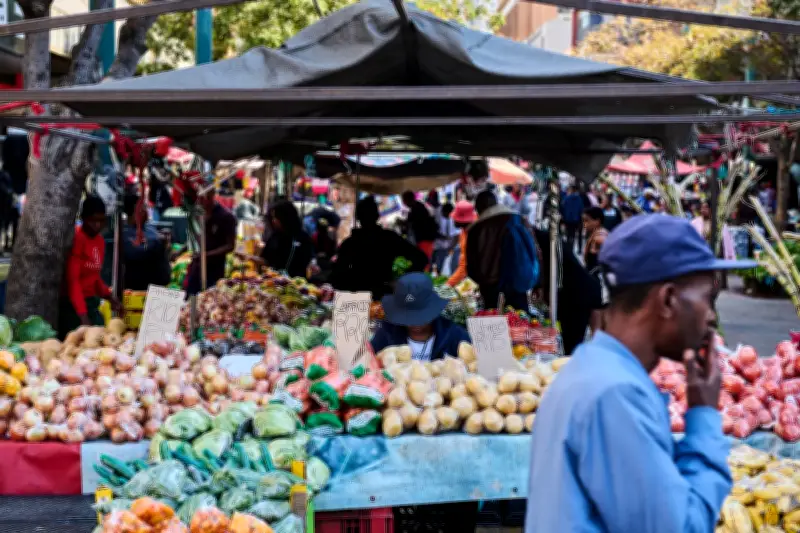
Food and non-alcoholic beverages prices increased by 6.2% year-on-year in June, up from 5.8% in May. Transport costs rose 7.1%, reflecting higher fuel prices. Housing and utilities inflation remained steady at 3.4%.
"The main contributors to the annual inflation rate were food and transport," said Patrick Kelly, chief director of price statistics at Statistics South Africa. "Fuel price increases and higher food costs are putting pressure on consumers."
Rate Hike Bets Intensify
The stronger-than-expected inflation figure has reinforced expectations that the South African Reserve Bank (SARB) will raise interest rates at its next monetary policy meeting in July. The SARB's target range for inflation is 3% to 6%.
According to a Reuters poll, 15 of 20 economists now expect a 25-basis-point rate hike to 8.50% at the July meeting, up from 12 in a previous survey. Money market traders are pricing in a 70% probability of a hike.
"The inflation data tilts the balance towards a rate hike," said Elize Kruger, an independent economist. "The SARB will likely act to prevent inflation expectations from becoming entrenched."
Impact on Consumers and Economy
The rising inflation and potential rate hike could further strain South African households already grappling with high living costs. Higher borrowing costs may also slow economic growth, which is projected at 1.5% for 2026.
The SARB has held the repo rate steady at 8.25% since November 2025 after a series of hikes. The central bank's next decision is scheduled for July 23.




