The Debt Management Office (DMO) has revealed that three states account for 43% of Nigeria's total subnational debt, which stood at N4.52 trillion as of June 30, 2026. This concentration of debt in a few states raises concerns about fiscal sustainability and the need for targeted fiscal reforms.
Debt Breakdown and Leading States
According to the DMO's latest report, the total debt stock of the 36 states and the Federal Capital Territory (FCT) includes both domestic and external debts. The three states with the highest debt burdens are Lagos, Rivers, and Delta, which together owe approximately N1.94 trillion. This represents a significant portion of the total subnational debt, highlighting the uneven distribution of debt across the federation.
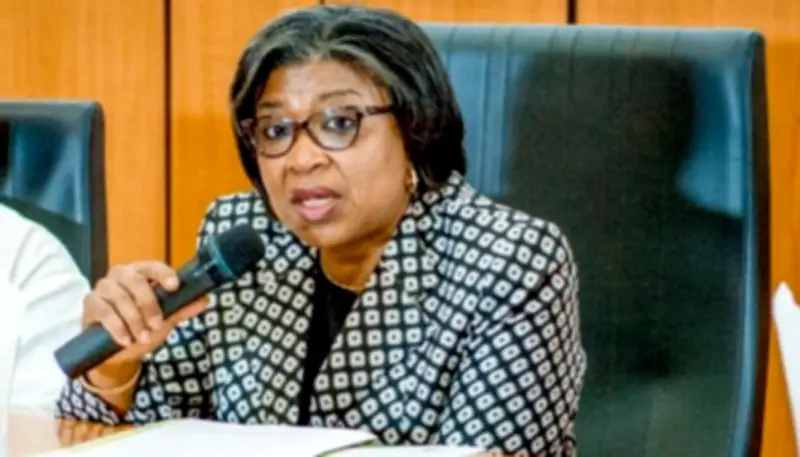
The DMO's Director-General, Patience Oniha, stated, "The concentration of debt in a few states underscores the need for enhanced fiscal discipline and revenue generation efforts at the subnational level." She emphasized that while the overall debt level remains within sustainable limits, the disparities among states require attention.
Domestic vs. External Debt
The report indicates that domestic debt constitutes the larger share of the total, with states owing about N3.24 trillion domestically, while external debt stands at N1.28 trillion. The domestic debt is primarily in the form of bonds and loans from commercial banks, while external debt includes multilateral and bilateral loans.
Lagos State alone owes over N1 trillion, making it the most indebted state, followed by Rivers and Delta. These states have historically had higher revenue generation capacities due to their economic activities and natural resources, yet they have accumulated substantial debt, raising questions about their expenditure management.
Fiscal Sustainability Concerns
The high concentration of debt in a few states poses risks to their fiscal sustainability, especially if their revenues decline. For instance, Delta and Rivers, which rely heavily on oil revenues, are vulnerable to fluctuations in global oil prices. A drop in oil prices could strain their ability to service debt, leading to potential defaults or the need for bailouts.
Economic analysts have called for stricter debt management practices at the state level, including the implementation of fiscal responsibility laws and improved transparency. They also suggest that states should diversify their revenue sources and invest in infrastructure that can stimulate economic growth.
Government Initiatives and Future Outlook
The federal government has been working with states to improve debt management through the DMO's capacity-building programs. The DMO has also issued guidelines for states to access the capital market, ensuring that they adhere to prudent borrowing limits.
Moving forward, experts believe that states need to focus on improving their Internally Generated Revenue (IGR) to reduce reliance on federal allocations and debt. The DMO's report serves as a wake-up call for states to reassess their fiscal strategies and prioritize sustainable development.