
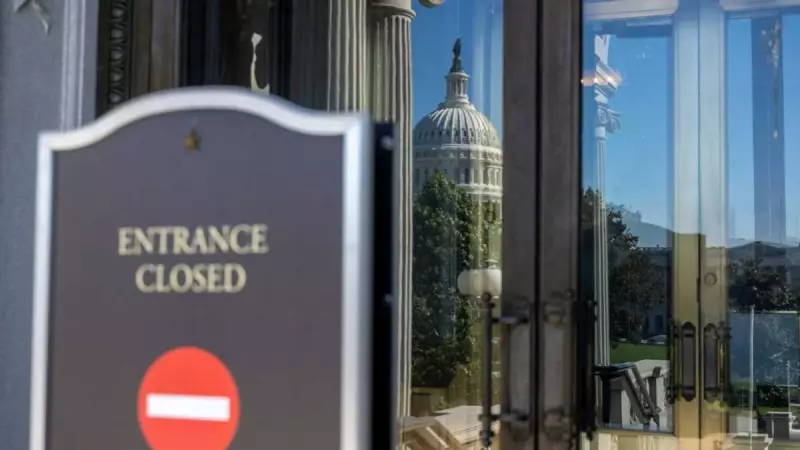
The United States is staring down the barrel of a government shutdown that could plunge the nation's economic monitoring into darkness, leaving investors, businesses, and policymakers flying blind during a period of significant economic uncertainty.
Economic Blackout Imminent
If Congress fails to pass funding legislation by the looming deadline, federal agencies responsible for tracking the nation's economic health will cease operations. This means critical data releases covering employment, inflation, and consumer spending could suddenly disappear from public view.
What Data Goes Missing?
The shutdown would immediately halt the flow of essential economic indicators that financial markets and policymakers rely on:
- Unemployment reports from the Bureau of Labor Statistics
- Inflation data including the Consumer Price Index
- Retail sales figures tracking consumer spending
- Housing market statistics and construction data
- Gross Domestic Product (GDP) reports
Federal Reserve Flying Blind
The timing couldn't be worse for the Federal Reserve, which depends on this data to make informed decisions about interest rates. With inflation concerns still prevalent and the economy showing mixed signals, the lack of reliable information could force the Fed to operate in the dark.
Global Implications
The absence of US economic data doesn't just affect American markets. Given the dollar's status as the world's reserve currency and America's position as the largest global economy, this information vacuum could create uncertainty in financial markets worldwide.
As federal agencies prepare contingency plans and Congress remains deadlocked, the countdown to a potential information blackout continues. The economic consequences of this data drought could ripple through global markets for weeks, or potentially longer, depending on how long any shutdown lasts.




