
The United States economy is projected to have maintained robust expansion in the third quarter of 2025, with a key growth indicator expected to show continued strength, according to delayed government data set for release.
Delayed Data Reveals Economic Resilience
Forecasters anticipate that Tuesday's gross domestic product (GDP) report will reveal the US economy grew at an annual rate of 3.2 percent in the July-September period. This reading, based on consensus estimates from MarketWatch and Trading Economics, comes nearly two months behind schedule due to a US government shutdown.
This figure represents a slight moderation from the 3.8 percent gain recorded in the second quarter, which itself followed a first quarter of negative growth. The report underscores a significantly improved macroeconomic outlook compared to early 2025, when fears over President Donald Trump's aggressive trade policy shifts dampened market sentiment.
AI Investment and Trade Deals Provide Momentum
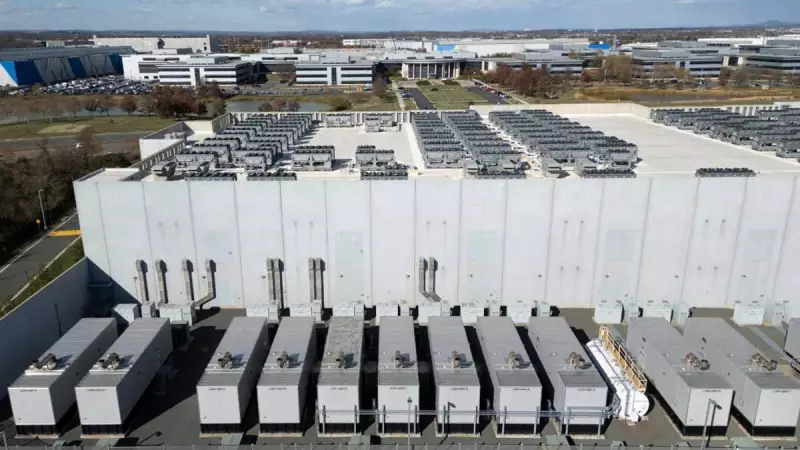
By the latter part of 2025, the Trump administration had secured agreements with China and other major economies, averting the implementation of the most severe tariffs. Concurrently, a surge in artificial intelligence investment, led by tech giants like OpenAI and Google, gained momentum, helping to keep US stock markets near record highs.
However, research firm Pantheon Macroeconomics offered a nuanced view, estimating third-quarter growth at a "brisk-looking" 3.5 percent. The firm cautioned that this figure "will overstate the economy's true condition." Pantheon pointed to a slowing job market and muted retail sales as signs of "steady but unspectacular GDP growth" heading into 2026.
Federal Reserve's Balancing Act and Political Uncertainty
The US central bank, the Federal Reserve, cut interest rates for the third consecutive meeting on December 10. While inflation remains above the Fed's two percent target, Chair Jerome Powell and other policymakers have identified the weakening employment market as the more pressing concern.
Pantheon predicts the Fed will implement further rate cuts in the new year, stating, "The risks remain skewed towards a faster cadence or larger decline in rates." This outlook is partly influenced by the impending leadership change, with Chair Powell scheduled to depart in 2026. White House officials have indicated President Trump could nominate a successor in January, with economic advisor Kevin Hassett considered a frontrunner.
Hassett recently told Fox News that Americans would soon feel economic improvement, citing expected boosts from higher tax refunds in 2026. Pantheon countered that the economic impact of these refunds might be limited, as low consumer confidence suggests many households will save the extra cash.
In a December 18 outlook, S&P Global Ratings noted that while AI investment would likely support the economy, this could be offset by ongoing political uncertainty under Trump. "US trade policy uncertainty has settled down, but not US policy drama overall," S&P stated, warning that broader geopolitical and policy uncertainties would likely dampen investment and discretionary spending in 2026.
The Fed's own median GDP forecast for 2026 is 2.3 percent, an increase from the 1.7 percent projected for 2025.




