
Despite persistent crisis narratives, Africa is experiencing quiet but significant institutional and economic transformations. Countries including Rwanda, Mauritius, Morocco, Nigeria, Botswana and Ghana have strengthened regulatory quality and public financial management. Digital governance reforms such as e-procurement, digital IDs and automated tax systems are reducing leakages, while tax-to-GDP ratios are rising. Domestic revenue mobilisation is increasing in Kenya, and for the first time in decades, non-oil exports have surpassed oil exports in Nigeria. These quiet institutional gains do not trend, but they build states.
Why the Bullish Outlook?
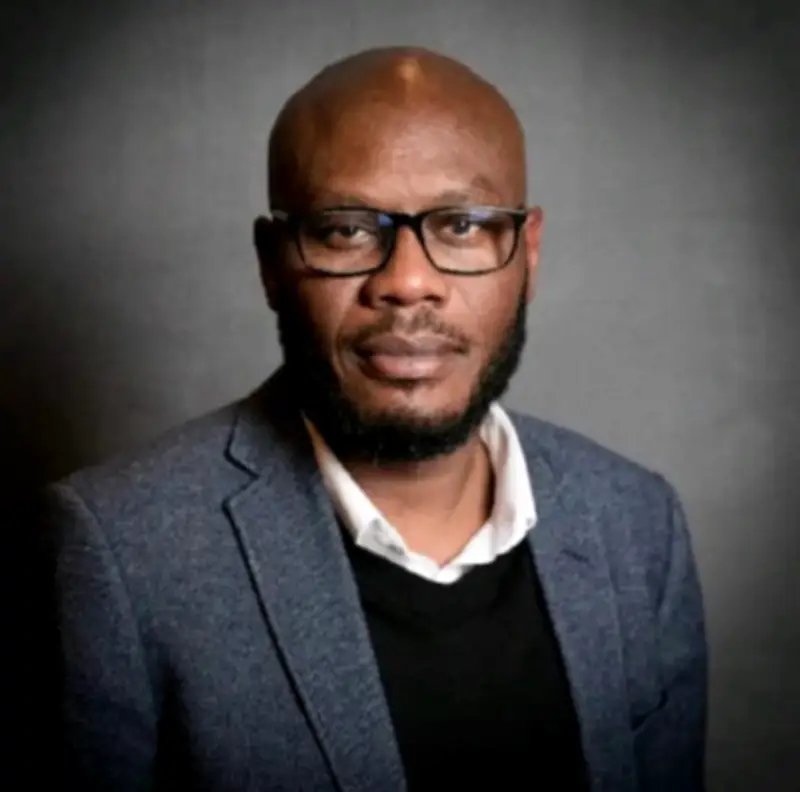
Wale Osofisan, a Nairobi-based governance and institutional-architecture strategist and Director at Harlech Consultancy Services, explains: “My years in international development and governance work have shown me something clearly: policy choices matter, institutional strength matters, and narrative shapes outcomes more than most people admit.” He argues that Africa’s story has long been dominated by crisis language—conflict, corruption and fragility—which shapes how risk is priced, how governments are treated, and how the continent is engaged. Some actors benefit from a narrative that keeps Africa in a permanent state of dependency, but the long-term cost to Africans is enormous. However, the data tells a very different story.
Demographic and Economic Projections
According to the United Nations Economic Commission for Africa (UNECA), five of the eight countries projected to account for more than half of global population growth between now and 2050 are in Africa. The World Economic Forum notes that by 2030, sub-Saharan Africa’s contribution to the increase in the global labour force will exceed that of the rest of the world combined. The African Development Bank’s 2024 outlook places eleven of the world’s twenty fastest growing economies in Africa, including Niger, Senegal, Libya, Rwanda, Côte d’Ivoire, Ethiopia, Benin, Djibouti and Tanzania.
AfCFTA and Renewable Energy Potential
Under the African Continental Free Trade Area (AfCFTA), the World Bank estimates that the agreement could lift 30 million Africans out of extreme poverty and generate $450 billion in income by 2035, if implementation continues. Additionally, Africa holds 60 per cent of the world’s best solar resources, but only 1 per cent of installed solar PV capacity, according to the Energy Institute. Osofisan notes: “That gap is either a failure or the single biggest infrastructure opportunity on the planet.”
Risks Remain, but Fundamentals Are Shifting
Osofisan acknowledges that not all fundamentals are positive. Some fast-growing economies, including Ethiopia and Niger, carry real fiscal and debt fragility. The IMF has flagged overlapping monetary and external vulnerabilities across the region, even as growth accelerates. “Being bullish does not mean being blind,” he says. “But something important is shifting.”
Youth as a Source of Leverage
Africa’s youth, often framed as a burden, are in reality one of the continent’s strongest sources of leverage. Young Africans are building in fintech, logistics, health, agriculture and the creative economy. Many are not waiting for permission or external validation. Osofisan concludes: “So yes, I am bullish about Africa. Not because of sentiment, but because the fundamentals are shifting, even with real risks attached. Where Africa goes next will depend on how we organise ourselves and how we choose to tell our story. If we do not shape the narrative, others will and their version will not serve our interests. This is the moment to reclaim the microphone. To speak with confidence. To build with intention. To insist on a narrative that matches our ambition.”




