
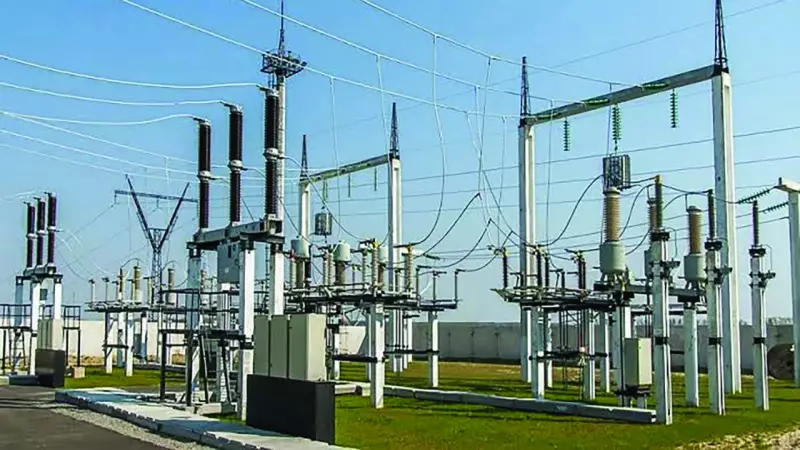
In a landmark move to bridge Nigeria's energy gap, the Federal Government has joined forces with Nasarawa State to launch an ambitious rural electrification program that promises to transform lives in remote communities.
Powering Progress in Rural Heartlands
The strategic partnership aims to deploy sustainable mini-grid systems across Nasarawa's underserved rural areas, bringing reliable electricity to households, businesses, and community facilities that have long been in the dark.
This initiative represents a significant step forward in Nigeria's quest for comprehensive energy access, focusing specifically on regions where traditional grid expansion has proven challenging and economically unviable.
A Blueprint for Sustainable Development
The mini-grid approach offers numerous advantages over conventional power solutions:
- Rapid deployment to remote locations without extensive infrastructure
- Renewable energy integration for environmentally friendly power generation
- Community ownership models that empower local residents
- Economic stimulation through reliable power for small businesses
Transforming Lives Beyond Electricity
Beyond simply providing light, this initiative is expected to catalyze profound social and economic changes:
"Access to reliable electricity will revolutionize healthcare delivery in rural clinics, extend study hours for students, and create new entrepreneurial opportunities for local residents," explained a project coordinator.
The partnership demonstrates the Federal Government's renewed commitment to addressing energy poverty while supporting state-level development priorities. Nasarawa's participation signals strong local buy-in and ensures the project addresses specific community needs.
The Road Ahead
As implementation begins, monitoring teams will track the project's impact on education outcomes, healthcare accessibility, and local economic indicators. Success in Nasarawa could provide a replicable model for other states grappling with similar energy challenges.
This collaboration between federal and state authorities marks a promising shift toward cooperative governance that prioritizes tangible improvements in citizens' quality of life through strategic infrastructure development.




