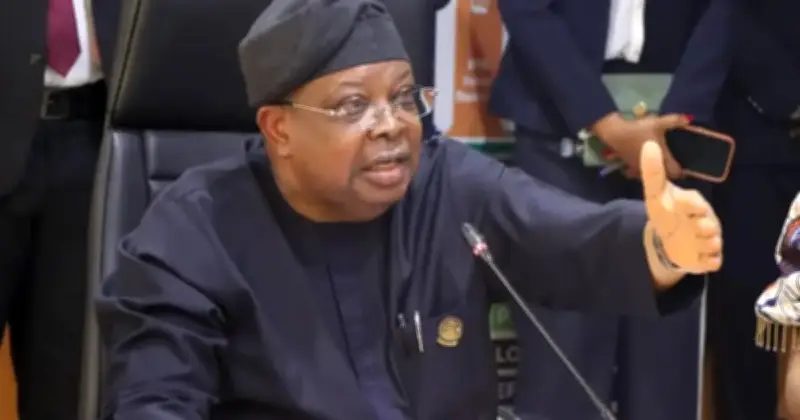
The Federal Government has announced plans to create special Energy Zones that could deliver 24-hour electricity to Lagos, Abuja, Kano, and other major cities by partnering with electricity distribution companies (DisCos). The move was discussed during a closed-door meeting between the Minister of Power, Joseph Tegbe, and the leadership of selected DisCos, according to a statement released on Wednesday by the minister's media aide, Adeola Adelabu.
Targeted Corridors and Meeting Details
The proposed Energy Zones are designed to improve electricity supply to homes, businesses, and industries in Nigeria's highest-demand areas. These include the Lagos axis, the Abuja-Kaduna-Kano corridor, and the Enugu-Port Harcourt corridor. The statement said: "In furtherance of the Federal Government's commitment to deliver reliable electricity to Nigerians, the Minister of Power, Joseph Tegbe, has held a strategic closed-door meeting with the leadership of select electricity distribution companies over the proposed Energy Zones, designed to deliver stable, 24-hour power supply to homes, businesses and industries in the country's highest-demand areas, namely Lagos axis, Abuja-Kaduna-Kano and Enugu-Port-Harcourt."
Among those present at the meeting were representatives of Abuja Electricity Distribution Company (AEDC), Ikeja Electric, Eko Power, Ibadan Electricity Distribution Company (IBEDC), and Sahara Energy Group. The initiative is part of Tegbe's strategy for tackling Nigeria's long-running electricity challenges after taking office.
Distribution as a Key Challenge
According to the government, the problem with electricity in Nigeria is no longer just about generating or transmitting power. It is also about whether distribution companies have enough capacity to receive that electricity from the national grid and deliver it to customers without wasting it. Speaking during the meeting, Tegbe said: "The constraint on the sector is not limited to generation and transmission but includes how much power is taken up and delivered at the distribution end."
He explained that the proposed Energy Zones are expected to bridge that gap, support industries that need constant electricity, and also help electricity distribution companies improve revenue collection. The minister also said the Federal Government remains committed to expanding electricity infrastructure in areas with growing commercial and industrial activities so that power supply can match Nigeria's economic growth.
No Timeline Yet, But Hope Remains
For now, however, the government has not announced when the project will begin, how much electricity the zones will receive, or the infrastructure that will be built to make the 24-hour supply possible. The initiative supports President Bola Tinubu's Renewed Hope Agenda, which sees stable electricity as a key driver of economic growth, industrialisation and job creation.
For millions of Nigerians who have endured years of blackouts, expensive petrol and diesel, and soaring electricity bills despite poor supply, the announcement offers fresh hope. Whether the proposed Energy Zones will finally deliver round-the-clock power is something many Nigerians will be watching closely.