
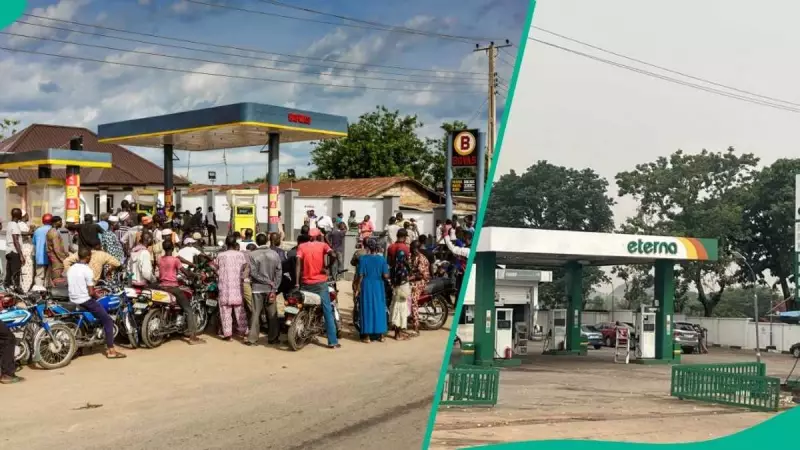
In a dramatic turn of events, the price of Premium Motor Spirit (PMS), commonly known as petrol, has plunged to its lowest point in months at Nigerian depots. This significant drop comes amid intense competition in the downstream petroleum sector, triggered primarily by the collapse of a major fuel supply agreement between the Dangote Petroleum Refinery and a consortium of independent marketers.
Market Volatility and a Failed Agreement
Recent market checks reveal that depot owners have aggressively slashed ex-depot prices to as low as N710 per litre. This marks a sharp reversal from the steep increases witnessed just weeks earlier, when prices soared above N800 per litre. The initial price surge was sparked by rumours in the first week of January 2026 that the Dangote Refinery had shut down its petrol production unit for maintenance.
Although the refinery officially denied these reports, the speculation created enough uncertainty to jolt the market. Independent marketers quickly raised gantry prices from around N720 to over N800 per litre, with analysts noting that depot operators were capitalising on the anxiety surrounding operations at Africa's largest refinery.
Competition Forces Price Reversal
The price spike, however, proved to be short-lived. Depot owners have now executed a swift U-turn, cutting prices aggressively to remain competitive. This shift is driven by two key factors: the need to match the Dangote Refinery's own pricing structure and the arrival of fresh fuel imports into the Nigerian market.
Data from industry trackers like PetroleumPriceNG shows specific price points as of Sunday, January 11, 2026. For instance, ShellPlux was selling at N710 per litre, MAO at N715, while A.Y.M. Shafa and Optima listed prices around N790 per litre. All these figures are now below the N800 per litre threshold that had caused concern for consumers.
Global Oil Dynamics and Future Predictions
Energy experts point out that international market trends are also contributing to the local price decline. Energy policy analyst Adeola Yusuf explained to Legit.ng that crude oil is currently trading between $50 and $60 per barrel globally. He attributed this dip to ongoing geopolitical tensions involving countries like Venezuela and Iran, which have pushed crude prices lower.
"Crude oil is often used as a political tool and is highly sensitive to geopolitical developments. When prices drop, refined product prices usually follow, especially in domestic markets," Yusuf stated.
The situation was further complicated by the collapse of a landmark deal. A pilot supply agreement signed in October 2025 between Dangote Refinery and 20 major petroleum marketers has broken down barely a month after its inception. The deal, which would have seen the marketers collectively offtake 600 million litres of petrol monthly, fell apart due to disagreements over pricing, exacerbated by falling global fuel costs. This breakdown has ironically triggered a renewed wave of fuel imports, adding to market supply and competition.
Industry observers now anticipate further reductions in pump prices in the coming weeks if global crude oil prices remain low and the fierce competition among depot owners continues. For Nigerian motorists, businesses, and transport operators, this emerging price war offers a welcome respite after months of volatile and high fuel costs. This trend is corroborated by earlier data from the National Bureau of Statistics (NBS), which showed the average retail price of petrol fell by ₦153 per litre between November 2024 and November 2025, dropping to ₦1,061.35 per litre.




