Global energy investment is projected to reach a record $3.4 trillion in 2026, despite rising geopolitical tensions, higher borrowing costs, and growing pressure on energy infrastructure in the Middle East, according to a new report by the International Energy Agency (IEA).
Shift Towards Clean Energy
The agency noted that capital spending continues to shift towards clean energy technologies, with renewables, nuclear power, electricity networks, and electrification accounting for the largest share of global investment. About $2.2 trillion is expected to be invested in clean energy technologies this year, compared with $1.2 trillion earmarked for fossil fuels.
Regional and Sectoral Distribution
Advanced economies and China are projected to account for more than 70% of total energy investment, while power sector projects will represent nearly half of global spending. The report comes amid growing concerns that disruptions to production, refining, and export infrastructure could further tighten global energy markets.
Impact of Middle East Conflict
The IEA noted that although the conflict in the Middle East is likely to heighten concerns around energy security and stimulate additional investment, most spending plans for 2026 had been approved before the outbreak of hostilities. Around 75% of investment decisions for the year had already been locked in before the conflict escalated, limiting the ability of companies to make significant adjustments to spending plans.
Oil Investment Trends
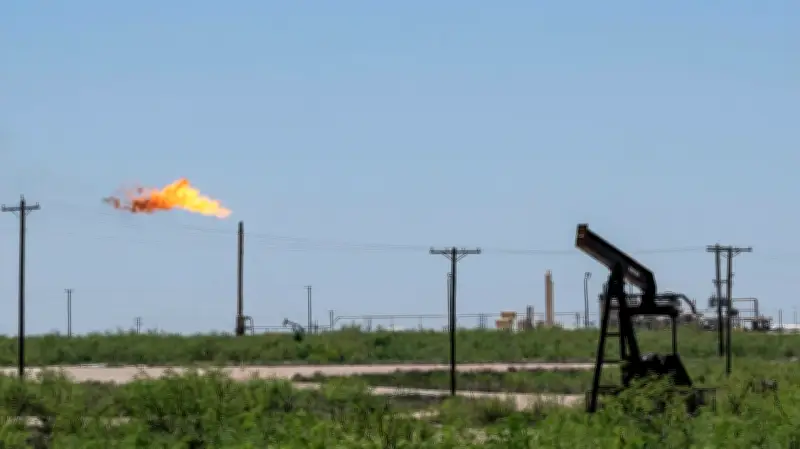
The agency also projected a third consecutive annual decline in upstream oil investment, with supply-side spending expected to fall to about $500 billion in 2026. Despite elevated oil prices, only a few producers have revised their investment plans upward. Among major international oil companies, ConocoPhillips was the only firm to increase its 2026 capital expenditure guidance, raising spending by two percent to support additional drilling activities. Investment in the United States shale sector is expected to decline by about seven percent this year.
"A higher-for-longer price could boost spending on some short-cycle assets, notably US shale," the IEA stated, adding that smaller independent producers may be better positioned to respond to higher oil prices than major oil companies and state-owned producers.
Damage to Energy Infrastructure
The IEA warned that the ongoing conflict in the Middle East is beginning to affect energy infrastructure across the region. Spending in the Middle East is expected to decline by one percent this year as governments contend with increasing fiscal pressures and reconstruction costs. The agency estimated that at least 30 energy facilities have sustained damage during the conflict, with repair costs likely to run into tens of billions of dollars.