A professor of Electrical Power and Energy Systems Engineering at the University of Lagos (UNILAG), Peter Olabisi Oluseyi, has stated that Nigeria’s persistent electricity shortages are no longer solely an infrastructure problem but a growing economic and social threat. He explained that this crisis is deepening production costs, weakening businesses, and widening inequality across the nation.
Lecture Highlights the Power Challenge
Oluseyi made these remarks during the university’s 460th inaugural lecture titled “That We May Have Light.” He emphasized that Nigeria’s power challenge will remain unresolved unless the country reduces its overdependence on a centralized national grid and adopts decentralized electricity systems. He warned that the crisis might escalate beyond inadequate generation to become a broader infrastructure and economic problem affecting productivity, education, and quality of life.
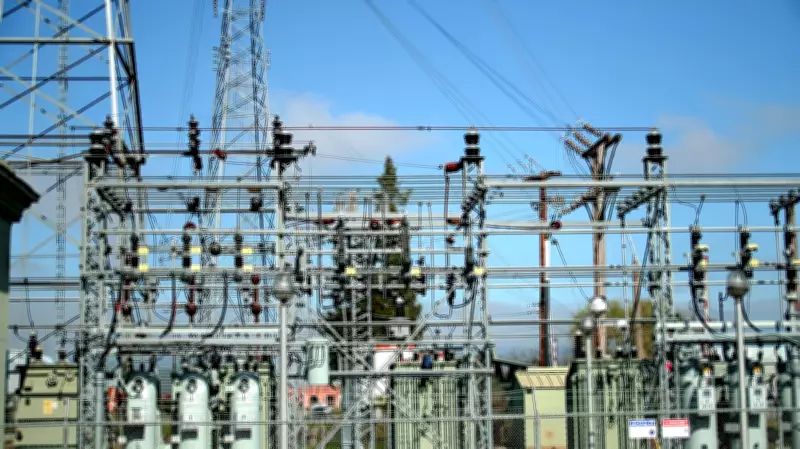
Despite Nigeria’s installed electricity generation capacity of over 13,000 megawatts, only about 4,000 megawatts or below effectively reach consumers due to transmission losses, weak infrastructure, and years of underinvestment. The professor traced the roots of the crisis to decades of inadequate investment in transmission infrastructure, particularly between 1983 and 1999, when population growth outpaced expansion in electricity capacity.
Proposed Solutions for Grid Stability
According to Oluseyi, the country’s single transmission structure makes the national grid vulnerable to widespread outages, as faults in one section can disrupt supply nationwide. He proposed splitting the transmission network into multiple operational zones and introducing backup transmission corridors that can function independently during faults or maintenance to reduce repeated grid collapses. He also advocated wider deployment of distributed electricity generation, especially for rural and riverine communities where grid extension remains difficult and costly.
University Leadership Backs Reform
Vice Chancellor of the university, Folashade Ogunsola, noted that the lecture highlighted the connection between electricity access and national development. She pointed out that a large share of Nigerians remain underserved or entirely without electricity, stressing that energy reform must go beyond technical discussions to address citizens’ welfare and economic opportunities. Ogunsola said the lecture presented practical pathways for improving electricity access through renewable energy integration, research-driven innovation, and sector reforms.
Support for State-Level Electricity Markets
In a separate interview with journalists, Oluseyi backed the ongoing push by states, including Lagos, towards independent electricity markets following the Electricity Act 2023. He stated that allowing states and regions to generate and manage power independently could reduce pressure on the national grid and improve reliability. However, the engineering professor warned that reforms would only succeed with sustained investment, policy consistency, and community ownership of power projects to reduce vandalism and infrastructure neglect.