Nigeria's electricity generation companies (GenCos) are raising alarms that mounting debts exceeding N4 trillion and gas supply cuts could deepen the country's power crisis, resulting in reduced electricity generation, longer outages, and increased pressure on consumers. The warning comes as the Federal Government rolls out a N729 billion bond under its Power Sector Debt Reduction Programme, but operators say new debts continue to accumulate monthly despite efforts to clear legacy obligations.
Gas suppliers cut fuel to indebted GenCos
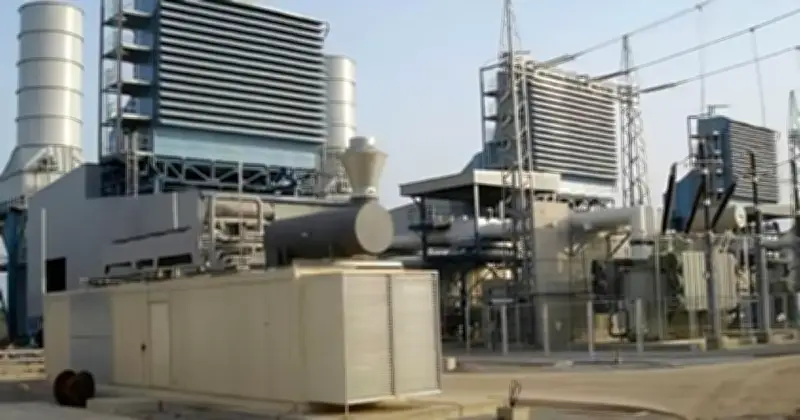
Nigeria's grid electricity is largely generated from gas-fired power plants, making reliable gas supply essential. However, GenCos struggling with cash shortfalls have failed to pay gas suppliers, prompting some suppliers to halt deliveries. Consequently, several plants have reduced operations or shut down entirely. Joy Ogaji, Chief Executive Officer of the Association of Power Generation Companies (APGC), confirmed that some gas suppliers have stopped supplying indebted GenCos. She cited Ibom Power, which has not generated electricity since 2025 after its gas supply was cut due to unpaid debts. As of March 17, 16 out of 33 power plants were not supplying electricity, dragging generation down to just 3,705 megawatts.
Structural liquidity crisis at the core
The crisis stems from a long-standing liquidity shortfall across the Nigerian Electricity Supply Industry (NESI). Electricity distribution companies (DisCos) and the Nigerian Bulk Electricity Trading Plc (NBET) consistently remit less than 100% of what is owed each month, leaving GenCos with growing unpaid invoices. This prevents them from paying gas suppliers, servicing loans, maintaining equipment, and investing in upgrades. Ogaji stressed that every month, DisCos and NBET fail to pay in full, and while the government tackles historical debts, fresh liabilities pile up continuously. She warned that without addressing this structural liquidity problem, the cycle of debt and reduced generation will persist.
Government's N729 billion bond plan
To improve liquidity, the Federal Government is issuing a second bond worth about N729 billion under the Presidential Power Sector Debt Reduction Programme, following a N501 billion issuance in January 2026. Special Adviser to the President on Energy, Olu Verheijen, stated that approximately N333 billion has already been paid to eight participating GenCos covering 17 power plants. The broader programme aims to settle verified legacy debts estimated at about N4 trillion, restoring confidence and improving liquidity. However, operators argue that the bond addresses only historical debts, not the ongoing monthly payment shortfalls.
Why operators say the bond is not enough
GenCos welcome efforts to clear outstanding obligations but insist the bond programme is insufficient. Ogaji questioned whether a seven-year repayment plan for historical debts can succeed if billions of naira are added monthly to outstanding obligations. She warned that by the time the current programme ends, several trillions more in liabilities may have accumulated unless fundamental reforms restore financial discipline. She also highlighted the subsidy challenge: government subsidy commitments often fail to translate into timely cash payments, leaving market participants to absorb funding gaps. She argued that if the government intends to continue subsidising tariffs, adequate budgetary provisions must accompany those commitments.
Impact on consumers and investor confidence
If more gas suppliers suspend deliveries to indebted GenCos, available generation capacity could decline, increasing pressure on an already constrained system. For consumers, this could mean longer blackouts, greater reliance on diesel and petrol generators, higher operating costs for businesses, and potential pressure for further tariff reforms. Moreover, without a financially sustainable electricity market, attracting new investments into generation, gas infrastructure, and transmission becomes increasingly difficult. The situation underscores a familiar challenge: fixing yesterday's debts without preventing tomorrow's may only postpone, not resolve, Nigeria's electricity crisis.