The Nigerian Electricity Regulatory Commission (NERC) has introduced the Net Billing Regulations 2026, enabling consumers to sell excess solar power back to the national grid. This policy marks a significant step toward expanding electricity access and accelerating renewable energy adoption in Nigeria.
New Opportunity for Electricity Consumers
Under the regulations, households, businesses, and industrial users can install approved renewable energy systems, primarily solar photovoltaic (PV) panels, to generate electricity for their own consumption. Surplus power can be exported to the grid through distribution companies (DisCos), earning credits based on a tariff set by the regulator. This transforms consumers into 'prosumers'—both producers and consumers of electricity—allowing them to offset costs and potentially generate income.
Eligibility and Technical Requirements
To participate, consumers must be connected to a licensed DisCo network and install systems with a capacity between 50 kilowatt-peak (kWp) and 1.5 megawatt-peak (MWp). Applicants must undergo a technical feasibility assessment by their DisCo, sign a Net Billing Agreement, and register with NERC. Approved users will receive bidirectional net meters to measure both consumption and export.
Addressing Nigeria's Power Supply Crisis
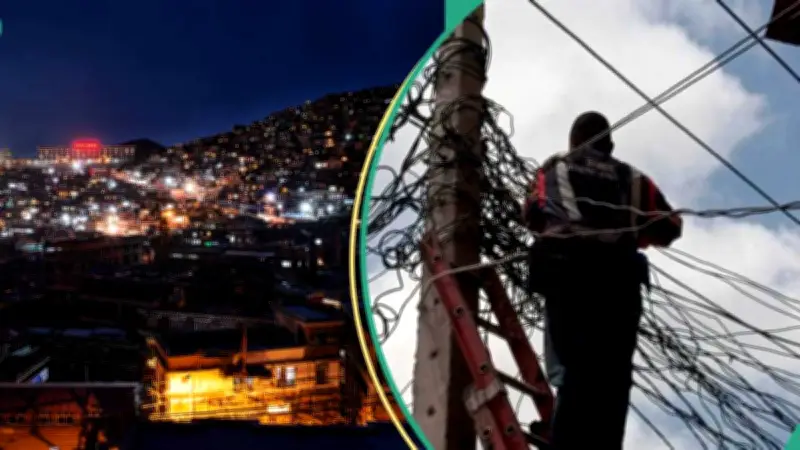
Nigeria faces a severe electricity deficit, with actual generation often between 4,000 MW and 4,500 MW against an estimated demand of 20,000 MW. In December 2025, only 38% of installed capacity (5,151 MW) was available for dispatch. Challenges include inadequate financing, gas shortages, aging infrastructure, and grid disturbances. The new policy aims to reduce pressure on the grid and attract private investment in clean energy.
Boosting Renewable Energy Growth
NERC stated that the regulations are designed to promote renewable energy adoption, improve energy security, and support integration of distributed energy resources. By creating a formal market for surplus solar power, the initiative strengthens grid reliability and contributes to Nigeria's transition to cleaner energy sources.
Complementary Reforms
The Net Billing Regulations 2026 complement ongoing reforms in generation, transmission, and distribution. Meanwhile, the Transmission Company of Nigeria (TCN) announced a temporary blackout in five northern states (Kano, Katsina, Jigawa, Bauchi, Yobe) and parts of Niger Republic for emergency maintenance on the Mando-Kumbotso 330kV transmission line.
This policy is expected to empower millions of Nigerians, reduce reliance on fossil fuels, and mitigate the $29 billion annual economic loss from power shortages.