
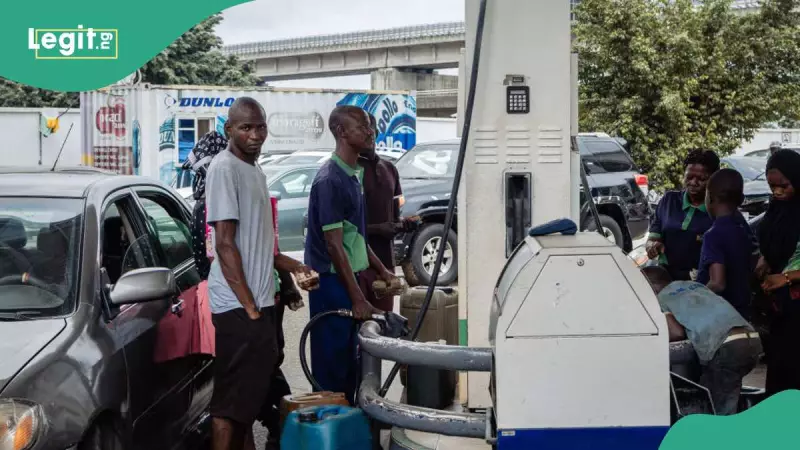
In a significant economic development, Nigeria has secured the position of having the most affordable Premium Motor Spirit (PMS), commonly known as petrol, across the entire West African region. The current average pump price stands at approximately ₦739 per litre, according to the latest data released by industry stakeholders.
Nigeria Tops Regional Fuel Price Chart
This revelation comes from the most recent Energy Bulletin published by the MEMAN Competency Centre, a technical arm of the Major Energies Marketers Association of Nigeria (MEMAN). The report conducted a comprehensive review of petrol prices in 12 West African nations, placing Nigeria firmly at the bottom of the pricing chart, indicating the lowest cost.
The price gap between Nigeria and its neighbours is substantial. Following Nigeria, Liberia recorded the next cheapest price at ₦1,337.12 per litre. Other countries surveyed showed significantly higher costs: Togo (₦1,777), Benin (₦1,816.33), Ghana (₦1,889.16), Guinea (₦2,011.51), Sierra Leone (₦2,020.25), Mali (₦2,024.62), Côte d’Ivoire (₦2,142.60), Cameroon (₦2,195.04), Burkina Faso (₦2,221.25), and Senegal (₦2,463.32).
Within Nigeria, MEMAN's data also highlighted variations in ex-depot prices across key locations. In Lagos, prices ranged between ₦700.50 and ₦800 per litre; Warri saw prices from ₦765 to ₦780; Calabar between ₦773 and ₦775; while Port Harcourt prices fell within a similar band.
Dangote Refinery Drives Price Advantage
Industry analysts and observers directly link Nigeria's newfound price advantage to the strategic moves of the Dangote Petroleum Refinery. The refinery recently implemented a major reduction in its pump price through its partner, MRS filling stations, slashing the cost from ₦860 to ₦739 per litre.
This development has garnered strong endorsement from a major player in the downstream sector. The National President of the Independent Petroleum Marketers Association of Nigeria (IPMAN), Alhaji Abubakar Maigandi Shettima, has publicly urged its members nationwide to source their PMS from the Dangote Refinery. He cited the refinery's competitive pricing and operational efficiency as key reasons.
Shettima provided an optimistic outlook, noting that the refinery's plan to commence free product delivery to filling stations from January 2026 would further reduce distribution costs and potentially lead to even lower pump prices for consumers.
IPMAN Partnership Ensures Supply Stability
A new supply arrangement has been welcomed, under which the Dangote Refinery will sell PMS directly to registered IPMAN members. The IPMAN president praised the refinery's chairman, Aliko Dangote, for supporting the Federal Government's reform agenda in the oil and gas sector, which he said is already yielding results through consistent fuel price reductions.
Shettima offered strong assurances to the Nigerian public, emphasising that IPMAN controls over 80% of the nation's retail fuel outlets. He stated that with this direct partnership, fuel shortages would not occur, guaranteeing a steady supply nationwide.
According to him, this collaboration aligns with the broader national objective of strengthening domestic refining capacity and moving away from dependence on imported petroleum products. He warned that unchecked imports distort the market, drain foreign exchange reserves, reduce job opportunities, and discourage local investment.
In related developments, the Nigerian National Petroleum Company (NNPC) Limited also contributed to the downward price trend in 2025, reducing the price of petrol by more than ₦175. The latest adjustment was made on Wednesday, December 24, just before the festive period, bringing the pump price in Lagos to ₦785 per litre, down from ₦820. This marked the third price reduction recorded within a single week.
IPMAN also took the opportunity to commend President Bola Tinubu for recent policy decisions and leadership changes in the sector's regulatory agencies, describing them as crucial for stability. The association concurrently reminded the new leadership of the Nigerian Midstream and Downstream Petroleum Regulatory Authority (NMDPRA) of outstanding bridging claims owed to its members, estimated at over ₦190 billion, urging for its prioritisation.




