
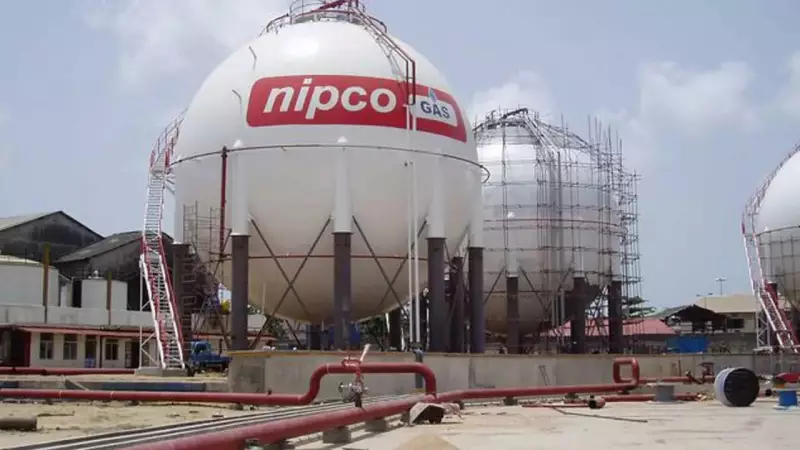
In a significant move towards sustainable operations, Nigerian downstream company NIPCO Plc has successfully transitioned three of its fuel stations to solar energy, resulting in substantial financial savings and environmental benefits.
Major Savings and Complete Energy Independence
The company has revealed that its fuel stations located in Gwagwalada, Lekki, and Mpape are now powered by hybrid solar systems. This switch has led to combined annual savings of N44.4 million on energy costs. The project, executed by Nigerian electromechanical energy provider JMG Limited, was completed between May and June of this year.
Each installation is a self-sufficient power hub, comprising solar panels, lithium batteries, and smart inverters. This setup reliably powers all critical station equipment, including fuel dispensers, lighting, and office electronics, on a 24/7 basis.
Operational Details and Environmental Impact
According to Idoko Jacob, the Station Manager at NIPCO's Gwagwalada outlet, the stations have achieved full energy autonomy during clear weather. "Since commissioning, the stations have not relied on electricity or generator power on bright-weather days," Jacob stated. "Solar systems fully meet our daily energy needs during such periods." Diesel generators are now reserved strictly as backup for extended periods of poor weather.
The environmental gains are as impressive as the financial ones. The three solar installations collectively generate 88,535 kilowatt-hours of clean electricity every year. This green initiative prevents the release of approximately 43.8 tonnes of carbon dioxide emissions annually, contributing to Nigeria's climate goals.
Breakdown of Savings and System Specifications
The financial savings vary per location, demonstrating the project's widespread effectiveness:
- The Gwagwalada station saves N15.6 million per year.
- The Lekki station records savings of N12 million annually.
- The Mpape station leads with yearly savings of N16.8 million.
These systems are highly efficient, meeting between 80 to 100 percent of each station's daily energy demand. The technical setup at each site includes high-efficiency solar panels, hybrid inverters with capacities from 20kW to 25kW, and advanced lithium battery banks with storage ranging from 51.2kWh to 76.8kWh.
A Blueprint for Nigeria's Energy-Intensive Sectors
Abbass Hussein, Head of JMG's Hybrid Solar Division, highlighted the broader significance of the project. He stated that it conclusively proves the viability and reliability of renewable energy solutions within Nigeria's demanding retail fuel sector.
"This shows that fuel retail and other high-energy sectors can shift to clean, cost-effective, resilient energy without sacrificing performance," Hussein remarked. The success of NIPCO's pilot serves as a powerful case study, encouraging other businesses to consider a similar transition to reduce operational costs and their environmental footprint simultaneously.




