
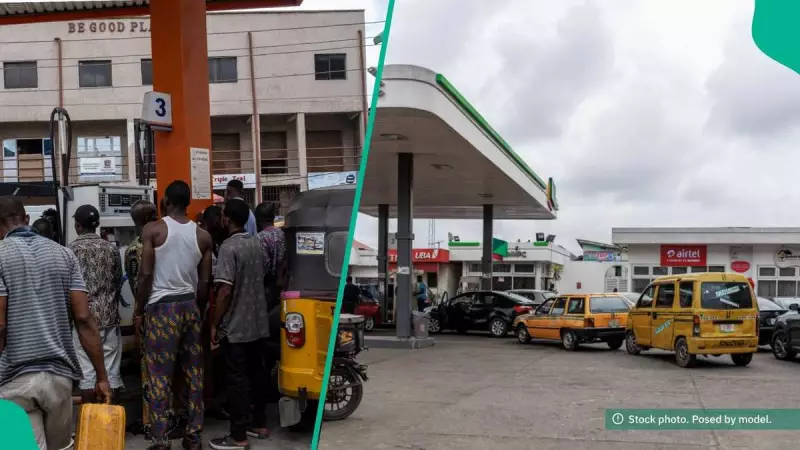
In a significant shift for Nigeria's fuel market, the Nigerian National Petroleum Company (NNPC) Limited recorded a cumulative reduction of over N175 per litre on petrol sold at its stations in Lagos throughout the year 2025. This dramatic price adjustment was largely driven by intense competition from the privately-owned Dangote Petroleum Refinery, which emerged as the new market leader.
A Year of Price Volatility and Strategic Cuts
The year began with petrol selling at approximately N960 per litre in Lagos in January. The first major move came in February, when NNPC reduced the price to N945, responding to a drop in global oil prices. A more substantial cut followed in March, bringing the price down to N860 per litre.
However, the trend reversed in April with a N60 increase, pushing prices to N925 in Lagos and N950 in Abuja. After a brief easing to N870 in May, prices climbed again in June to averages of N915 in Lagos and N945 in the capital. Mid-July provided some relief with reductions to N865 in Lagos and N895 in Abuja, but August saw another hike.
Prices held steady from September through October before beginning a downward slide in November. The most significant cuts, however, were reserved for December. In a series of adjustments ahead of the festive season, NNPC slashed the Lagos pump price three times in one week, culminating in a price of N785 per litre on Wednesday, December 24. This marked a drop of N35 from the previous week's price of N820 and a massive reduction from the N900 recorded at the start of the month.
Dangote Refinery: The New Market Pace-Setter
The overarching narrative of Nigeria's petroleum market in 2025 was the diminished influence of NNPC in setting price trends and the ascendancy of the Dangote Refinery. For the first time, the state-owned company was forced into a reactive position, consistently adjusting its prices to compete with the refinery's offerings.
Dangote Petroleum Refinery made its own landmark move, reducing its petrol gantry price by 15.58% to N699 per litre. This was the refinery's 20th price adjustment of the year. Its major retail partner, MRS Oil, was selling at N739, creating a significant benchmark that NNPC struggled to match. The refinery stated its price cuts were part of a commitment to lower transportation costs and make the festive season more affordable for Nigerians.
This aggressive pricing strategy from Dangote placed immense pressure on other marketers who rely on imported petrol, effectively reshaping the competitive landscape.
Implications for Consumers and the Market
The final price cut to N785 in Lagos, announced on Christmas Eve, was a direct boon for Nigerians planning holiday travel, promising reduced transportation expenses. However, the price reduction was not uniform nationwide. As of December 24, petrol at NNPC outlets in Abuja was still selling for N835 per litre, though a change was anticipated.
The year 2025 marks a pivotal chapter in Nigeria's energy sector. The entry and dominance of the Dangote Refinery have broken NNPC's long-held monopoly on price influence, introducing a new era of market-driven competition. While this has led to welcome price reductions for consumers, it also signals a fundamental power shift. The state-owned company must now continuously innovate and streamline its operations to remain viable against a more agile private sector giant, a competition that will ultimately define fuel affordability and availability for millions of Nigerians in the coming years.




