
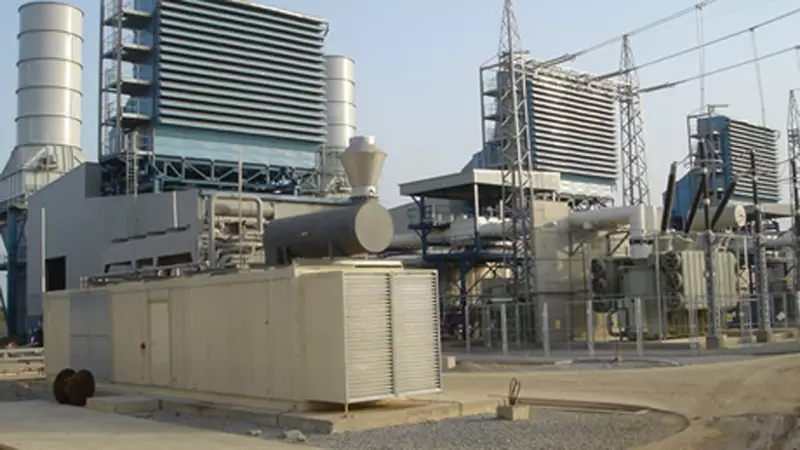
Nigeria's electricity sector faced a severe generation crisis in December 2025, with grid-connected power plants operating at a critically low capacity. This persistent underperformance underscores deep structural weaknesses, even as the country rolls out a service-based tariff model that bills consumers based on promised hours of supply.
Alarming Capacity Underutilisation
According to the Operational Performance of Power Plants factsheet released by the Nigerian Electricity Regulatory Commission (NERC), the situation was dire. Out of Nigeria's total installed capacity of 13,625 megawatts (MW), only 5,151 MW was available for dispatch at any point during the month. This resulted in a Plant Availability Factor (PAF) of just 38 per cent, meaning the country's usable generation capacity had effectively shrunk by a staggering 62 per cent.
The data reveals a widening chasm between installed capacity and the power that actually reaches the grid. While Nigeria nominally has enough generation assets, operational constraints severely limit output. The average hourly generation stood at 4,367 megawatt-hours (MWh/h), with an average load factor of 85 per cent. This high load factor indicates that the little power that was available was heavily utilised, pointing to a severe shortage of available capacity itself.
Concentration and Causes of the Shortfall
A major concern highlighted in the report is the over-reliance on a handful of power stations. The top 10 largest energy producers accounted for 81 per cent of all electricity generated in December, raising serious questions about system resilience.
The performance varied drastically between plant types. Hydropower stations like Zungeru, Kainji, and Jebba showed relative strength, with Zungeru operating at full availability. In stark contrast, many thermal plants ran far below their potential. This underperformance is directly linked to ongoing issues such as:
- Unreliable gas supply
- Maintenance backlogs
- General operational inefficiencies
Some plants recorded availability rates in the single digits. Notably, facilities including Alaoji One, Ibom Power One, and Trans Amadi One contributed little to no power throughout the entire month of December 2025.
Grid Instability and Systemic Risks
The problems extend far beyond generation. The NERC factsheet paints a picture of a persistently unstable national grid. Average grid voltage levels consistently strayed outside safe limits. The lower voltage averaged 302.84kV, below the minimum benchmark of 313.50kV. Meanwhile, the upper voltage averaged 347.52kV, exceeding the maximum threshold of 346.50kV.
Frequency control was equally weak. The grid recorded an average low frequency of 49.14Hz and a high of 50.63Hz, both falling outside the regulatory safe band of 49.75Hz to 50.25Hz. These deviations signal significant operational stress and increase the risk of partial or total grid collapse. To protect infrastructure from these unstable conditions, system operators are often forced to constrain generation further, depressing usable output even when some capacity is technically online.
This dismal December performance highlights the limitations of focusing reform efforts solely on adding generation capacity. Bottlenecks in gas supply, transmission, distribution, and system operations remain largely unaddressed. Despite the $2.3 billion Siemens contract under the Presidential Power Initiative (PPI), the sector cannot consistently convert capacity into delivered electricity.
The data also casts doubt on the sustainability of current market arrangements. The sector is plagued by payment shortfalls exceeding N4 trillion, weak contract enforcement, and limited incentives for operators to invest in maintenance and efficiency improvements. For investors, low availability rates and chronic grid instability heighten operational risks and erode confidence.
The core challenge for Nigeria's power sector is starkly clear: availability itself. Until gas supply becomes reliable, grid stability is strengthened, and financially distressed operators are stabilised, the nation will remain trapped in a vicious cycle of low output and perpetually high, unmet demand.




