
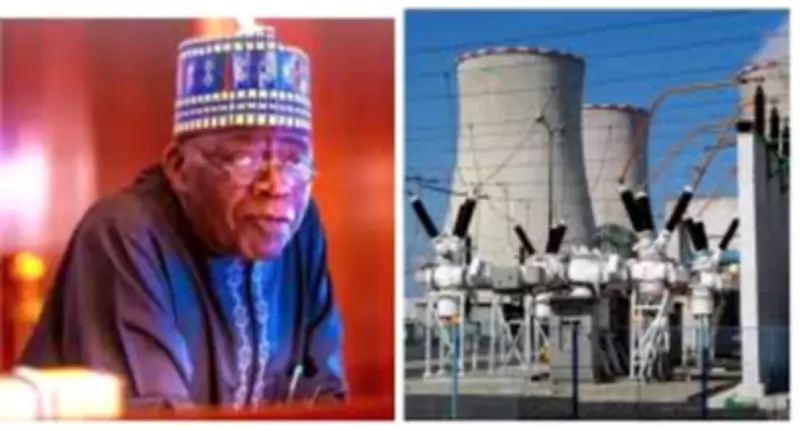
President Bola Tinubu has provided a firm assurance to Nigerians that the persistent issue of poor electricity supply will soon be resolved, with significant improvements on the horizon. Speaking at the National Convention of the All Progressives Congress (APC) in Abuja on Friday, March 27, the President addressed widespread concerns over power shortages that have plagued the country in recent times.
Commitment to Enhanced Power Infrastructure
In his address, President Tinubu emphasized that his administration is actively focusing on the electricity sector to ensure better service delivery. He stated, "I assure you, many of you lamenting the problem of electricity and power; we are paying attention to that. Electricity will become better, and we assure you there will be opportunities and progress in our industrialization." This declaration comes as many citizens and businesses continue to face challenges due to unreliable power supply, impacting daily life and economic activities.
Strategic Grid Enhancement Initiative
A key highlight of the President's speech was the announcement of a major infrastructure project aimed at boosting the national power grid. Through the Grid Asset Management Company, the government plans to inject approximately 1,500 megawatts into a new grid corridor. This initiative is expected to enhance electricity distribution and reliability, supporting industrial growth and reducing dependency on alternative power sources.
President Tinubu further elaborated on the tangible impacts of his administration's programs, contrasting them with what he described as mere rhetoric from opposition elements. He asserted, "The impact of our programmes is visible, tangible, impactful, and measurable—not mere rhetoric as some opposition elements like to suggest. We are moving from survival mode to stability." This statement underscores a shift towards sustainable development and improved public services under his leadership.
Broader Implications for National Development
The promised upgrades in the power sector are poised to have far-reaching effects on Nigeria's economy and industrialization efforts. By addressing electricity deficits, the government aims to:
- Stimulate industrial productivity and attract investments.
- Create job opportunities and foster economic progress.
- Enhance the quality of life for citizens through more reliable utilities.
As the administration works towards these goals, Nigerians are hopeful that the assurances will translate into concrete actions and lasting solutions to the power crisis.




