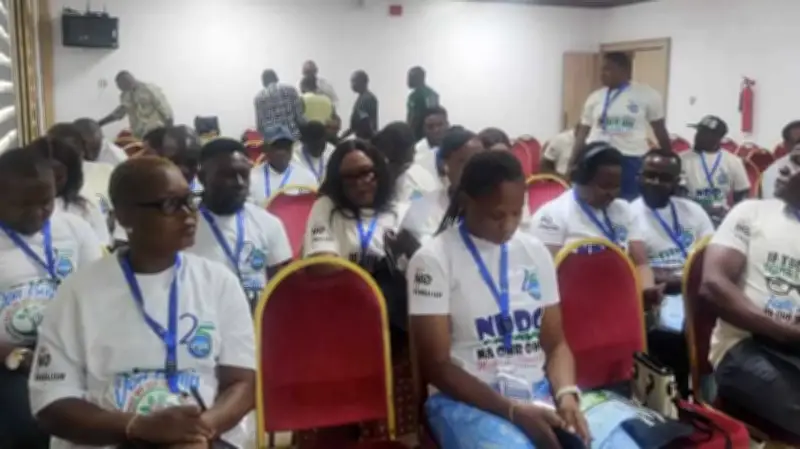
The ARS Entrepreneurship Empowerment Foundation has successfully trained a number of young Nigerians in vocational and entrepreneurial skills as part of its efforts to combat unemployment and encourage self-reliance. The initiative, which includes a 12-week intensive vocational training programme, culminated in a graduation ceremony where beneficiaries received business support and equipment to help them establish and expand their enterprises.
Programme Background
The empowerment programme was established in memory of Ajibade Sharon, a young entrepreneur who passed away in 2023 at the age of 18. Chairman of the Foundation, Dr Solomon Ajibade, stated that the organisation's vocational training programme is designed to tackle unemployment by equipping beneficiaries with practical skills and start-up support. Graduates are provided with essential tools and equipment, including sewing machines, to launch their own businesses.
Funding and Future Plans
Dr Ajibade noted that the initiative is funded through donations from friends, supporters, and members of the public. He expressed optimism that the programme would eventually operate year-round and urged more young Nigerians to enrol and acquire vocational skills for economic empowerment.
The Executive Director of ARS Foundation, Ajibade Oluwatoyin, appealed for greater support from government, corporate organisations, and well-meaning Nigerians to expand the foundation's vocational and entrepreneurial empowerment programmes. She explained that the initiative was established in memory of her late daughter, Sharon Ajibade, a former 100-level accounting student at Bowen University, whose death inspired the family to transform their grief into service to humanity.
Scope and Challenges
According to Olanike, the foundation initially targeted young people but later expanded its scope after receiving applications from older individuals seeking opportunities to acquire vocational skills and improve their livelihoods. She noted that distance, inadequate facilities, and limited funding remain major challenges, stressing the need for a permanent training centre capable of accommodating trainees, including vulnerable groups and orphans.
Olanike also highlighted that public distrust of charitable organisations has made fundraising difficult, despite the foundation's transparency and impact. She urged government agencies to partner with credible foundations by providing funding, publicity, and policy support, while encouraging parents to nurture children with entrepreneurial talents and innovative ideas.
Training Details
The Training Coordinator, Adebukola Coker, said participants received training in catering, shoe and bag making, tailoring, makeup, fascinator production, and tie-and-dye. She noted that while more than 100 people initially registered, about 70 completed the programme. Beneficiaries were also taught product branding, pricing, negotiation, and online marketing to improve their business prospects.