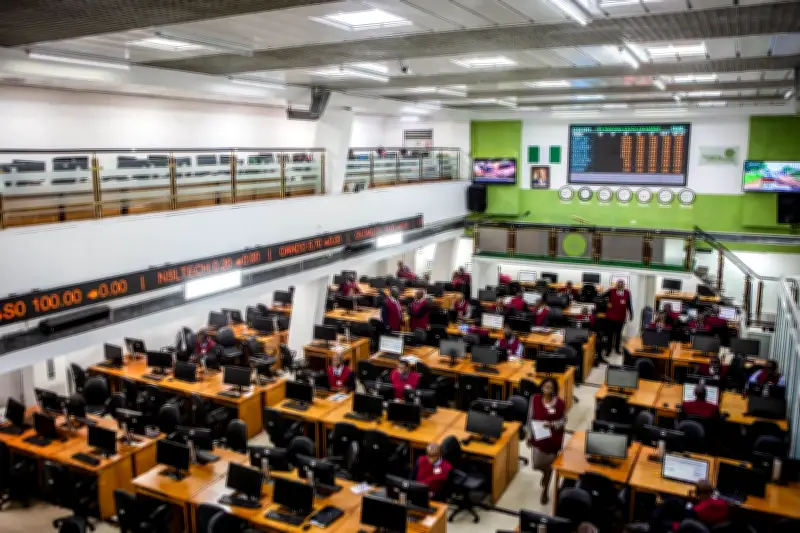
The Nigerian Exchange (NGX) will implement new pricing rules starting Monday, changing the price bands for equities and exchange-traded funds (ETFs). This move is expected to affect how shares are valued and traded, potentially reshaping investors' portfolios.
New Price Bands for Equities and ETFs
Under the revised framework, the daily price limit for equities will be expanded from 10% to 20%. For ETFs, the price band will widen from 10% to 30%. These adjustments aim to enhance market efficiency and reflect more accurate pricing, according to the NGX.
The exchange stated that the new rules are part of ongoing efforts to align with global best practices and improve liquidity. The changes will apply to all listed equities and ETFs, with no exceptions for specific sectors or companies.
Potential Impact on Trading and Portfolios
Investors should anticipate increased price volatility, as larger daily movements become possible. This could lead to more significant gains or losses in a single trading session. Portfolio managers may need to adjust their risk management strategies to account for the wider bands.
According to NGX officials, the new pricing rules are designed to reduce price manipulation and encourage more orderly trading. They also expect the changes to attract more institutional investors who prefer markets with flexible pricing mechanisms.
Reactions from Market Participants
Some analysts have welcomed the move, noting that it could increase market activity and provide better price discovery. Others caution that retail investors might face higher risks due to the potential for sharper price swings.
The NGX has assured stakeholders that it will monitor the implementation closely and provide guidance to market operators. The exchange also plans to conduct investor education sessions to help participants adapt to the new framework.
As the effective date approaches, market participants are advised to review their portfolios and trading strategies to align with the updated rules. The NGX's initiative marks a significant step in modernizing Nigeria's capital market, with implications for both domestic and foreign investors.