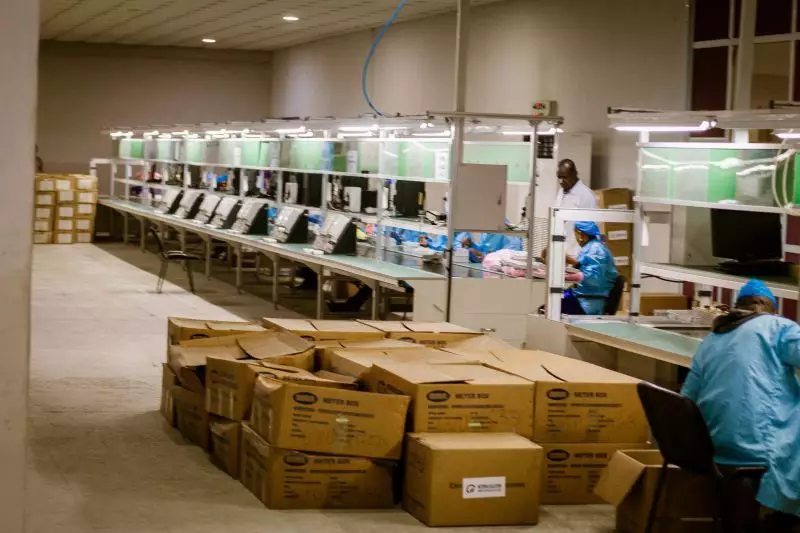
Leading economic and industry experts have pinpointed the crucial elements required to revitalize Nigeria's manufacturing sector and transform the nation into Africa's premier hub for production and services. This critical analysis was delivered during an exclusive session of the Lagos Business School (LBS) Breakfast Club held recently.
LBS Forum Drives Strategic Dialogue
The high-level gathering brought together senior executives and top industry leaders to scrutinize Nigeria's path towards industrial leadership on the continent. The event, supported by First Bank of Nigeria, Optimus Bank, Cowry Asset Management Limited, and Afrinvest Limited, served as a premier platform for knowledge exchange among Nigeria's business elite. It was specifically designed to provide actionable insights on economic trends and foster strategic dialogue for decision-making.
Economic Outlook and Leadership Insights
The session commenced with a detailed briefing on Nigeria's 2026 Economic Outlook, presented by Bismarck Rewane, the Managing Director of Financial Derivatives Company (FDC). This set the stage for a deeper conversation on the nation's economic trajectory.
Following this, a fireside chat delved into the core theme: “Challenges and Opportunities for Making Nigeria the Leading Manufacturing and Services Hub in Africa.” The discussion featured Aliko Dangote, Chairman of the Dangote Group, and was moderated by Professor Olawale Ajai of the Lagos Business School.
Focus on Structural Drivers and AfCFTA
The dialogue zeroed in on the fundamental drivers necessary for sustainable industrial expansion. Key strategies emphasized included:
- Backward integration to reduce import dependence.
- Scaling up local production capabilities.
- Effectively leveraging the African Continental Free Trade Area (AfCFTA) to access continental markets.
A dynamic question-and-answer session engaged participants on pressing issues such as building resilient supply chains, enabling private-sector-led growth, and the pivotal role of innovation in boosting Nigeria's global competitiveness.
The consensus from the event underscored an urgent need to align government policy with private investment to unlock the country's vast industrial potential. The collective dialogue reinforced the mission to position Nigeria as a regional economic powerhouse through deliberate, coordinated action in the manufacturing and services sectors.