The National Institute for Pharmaceutical Research and Development (NIPRD) has sounded an alarm over a critical vulnerability in Nigeria's healthcare supply chain. The institute revealed that the entire nation depends on just one single World Health Organization (WHO)-prequalified antimalarial product, a situation it says exposes significant gaps in local manufacturing and blocks access to a lucrative global market.
Building Capacity for a $161 Million Opportunity
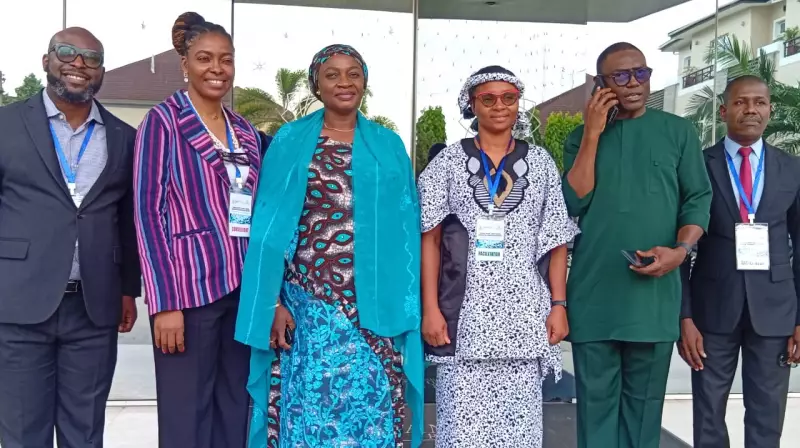
This sole prequalified product is manufactured by Swiss Pharma Nigeria. To tackle this dependency, NIPRD has initiated a targeted capacity-building drive. The institute recently concluded a four-day Technical Support and Capacity Workshop in Lagos, designed to equip local pharmaceutical companies with the skills to achieve WHO prequalification (PQ) standards.
The training, organized under the National Malaria Elimination Programme (NMEP) with World Bank support, is a strategic move to position Nigerian manufacturers to compete in the global antimalarial market, valued at approximately $161 million. Participants were guided through the complex PQ application process, covering crucial areas like documentation, bioavailability studies, and laboratory quality assurance systems.
Overcoming Barriers: From Awareness to Investment
Speaking on the challenges, NIPRD Director-General, Dr. Obi Adigwe, identified major hurdles. Represented by his technical adviser, Dr. Mercy Aboh, Adigwe cited limited awareness, funding constraints, outdated equipment, and weak technical capacity as key barriers. He noted that many company managers only grasped the full economic benefit of WHO PQ during the workshop.
"Many pharmaceutical managers had not fully grasped the economic value and global credibility associated with WHO PQ," Adigwe stated, emphasizing the need for factory upgrades and continuous staff training to meet international benchmarks.
Echoing these concerns, the Project Manager for the NMEP-IMPACT Project, Pharm. Okoko Okefu Oyale, highlighted the steep costs involved. He estimated that bioavailability studies could cost about $100,000 per molecule and up to $200,000 for combination therapies like artemether-lumefantrine.
A Call for Systemic Support and Incentives
Oyale listed additional burdens on manufacturers, including multiple taxation, high tariffs, API shortages, and utility costs. He strongly advocated for government interventions such as tax reliefs and improved inter-agency coordination led by the Federal Ministry of Health to foster sector-wide reforms.
The lead consultant to NIPRD, Pharm. Adesola Arowolo, said the workshop aimed to demystify the PQ process and encourage companies to begin their journey. A participant, Dr. Christopher Akunyili of Mecure, described the training as an eye-opener, revealing the strategic economic value beyond mere regulatory compliance.
The consensus from the Lagos workshop is clear: diversifying Nigeria's sources of quality antimalarials is a national health security imperative. With concerted effort, policy incentives, and sustained capacity building, local manufacturers can transform this single-product vulnerability into a robust participation in the global fight against malaria.