Local Barge Operators Protest Foreign Dominance and Soaring Costs at Apapa Port
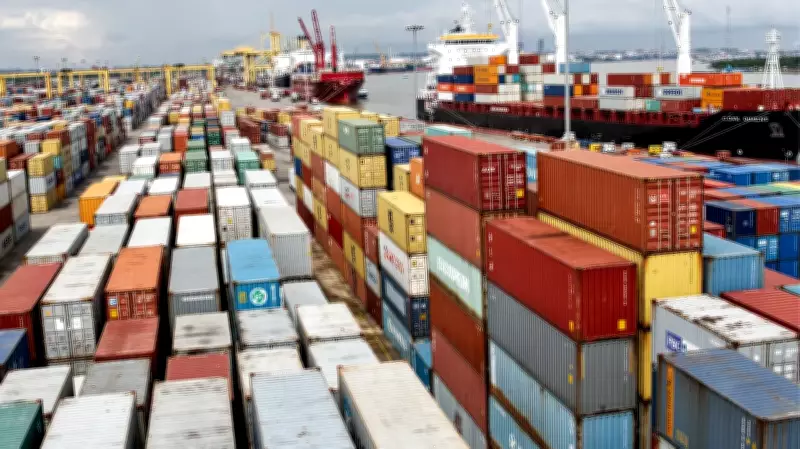
Indigenous barge operators in Nigeria have issued a fervent appeal to President Bola Tinubu, demanding immediate action to address the systematic denial of berthing access at Apapa Port by foreign terminal operators. The operators are also decrying a staggering 300 per cent surge in charges, which has rendered barge logistics economically unsustainable and threatens to undermine local investments valued at approximately $3 billion.
Criticism of Regulatory Neglect and Fee Escalation
The National President of the Barge Operators Association of Nigeria (BOAN), Olubunmi Olumekun, has publicly condemned the Nigerian Ports Authority (NPA) and the Nigerian Shippers’ Council (NSC) for their failure to uphold their core mandates. He accused these agencies of neglecting to enforce equitable berth access, supervise concession terms, and promote local content, thereby allowing foreign entities to sideline domestic operators and violate established port regulations.
Olumekun highlighted the crippling impact of terminal handling charges, which have skyrocketed from N50,000 to nearly N300,000 per container. This exorbitant increase has made barge haulage prohibitively expensive, with costs now ranging between N700,000 and N800,000 for a 40-foot container. In stark contrast, road transportation from Apapa Port to Oshodi costs only N250,000, creating a severe competitive disadvantage for barge operators.
Economic Implications and Allegations of Collusion
Olumekun expressed deep concern over the broader economic repercussions, questioning how barge operations can effectively compete or contribute to road decongestion under such conditions. He alleged that terminal operators have conspired to drive local operators out of business by introducing their own barges and monopolizing all aspects of port operations. This, he warned, would inevitably lead to higher prices for consumers as increased logistics costs are passed on to the market.
Further exacerbating the situation, Olumekun pointed to the common user finger jetty in Apapa, which, although not concessioned to terminal operators, has been effectively commandeered by a foreign barge company. He asserted that BOAN members possess the necessary equipment and cranes to operate the jetty independently if granted access, but have been systematically excluded.
Violations of Maritime Standards and Operational Challenges
Invoking international maritime standards, Olumekun noted that maritime law requires terminal operators to maintain a 50-metre buffer for emergency evacuation or barge operations—a provision he claims is being blatantly ignored at Apapa Port. This violation not only hampers local operations but also compromises port safety and efficiency.
Echoing these frustrations, Nura Wagani, Director of Enforcement and Operations for BOAN, emphasized that the fee hikes were imposed without any consultation with barge operators. He cautioned that the widening cost gap—with truck logistics estimated at N280,000 per container compared to barge at N580,000—would deter cargo owners from using barge services, pushing them towards cheaper alternatives and further congesting roads.
Calls for Government Intervention
The operators have repeatedly lodged complaints with the NPA, but allege that the authority has failed to intervene, allowing terminal operators to continue their monopolistic practices. They are now calling on President Tinubu to enforce regulatory oversight, ensure compliance with concession agreements, and protect local investments to foster a competitive and equitable port environment.
This crisis at Apapa Port underscores significant challenges in Nigeria’s maritime sector, highlighting the urgent need for policy reforms to support indigenous businesses, reduce logistics costs, and enhance overall port efficiency for the benefit of the national economy.