Nigeria's Maritime Sector Costs $10 Billion Yearly Due to Systemic Failures
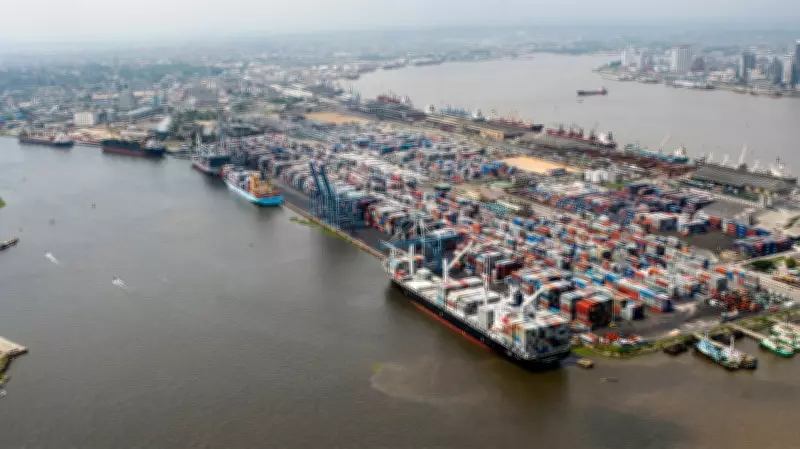
A new report by the Sea Empowerment and Research Centre (SEREC) has exposed that Nigeria is losing over $10 billion annually due to systemic maritime inefficiencies, poorly governed export systems, and the activities of entrenched cartels. The report, titled "Port of Plenty, Pipelines of Loss: A National Reawakening Call on Maritime-Enabled Resource Leakages," highlights how the country's ports, intended to drive trade and economic growth, have become channels for significant national loss.
Key Findings on Resource Leakages and Trade Distortions
According to the report, which was signed by SEREC's Head of Research, Dr. Eugene Nweke, Nigeria's maritime sector suffers from weak industrial linkages, policy inconsistencies, and exploitation by both external opportunists and internal complicity. Despite handling over 1.5 billion metric tonnes of cargo yearly, including crude oil exports, non-oil exports contribute less than 10% of total export earnings, indicating a heavy reliance on raw material exports.
Trade mis-invoicing and under-valuation are central issues, with Nigeria estimated to lose between $5 billion and $8 billion in revenue annually due to under-declaration, misclassification, and poor documentation of exports, particularly in solid minerals like iron ore and gypsum. This has created a cycle where raw materials are exported at low value, while finished goods are imported at high cost, leading to opportunity losses of $15 billion to $20 billion yearly from lack of value addition.
Institutional Failures and External Vulnerabilities
The report criticizes weak institutional oversight in Nigeria's engagements with foreign partners, pointing to opaque resource-backed financing structures and limited enforcement of global best practices. It notes that domestic institutional fragility, fragmented digital systems across port operations, and reliance on manual processes exacerbate these vulnerabilities, distorting national trade data and depriving the government of critical revenue.
As a result, Nigeria's ports serve as exit corridors for raw resource extraction and entry gateways for refined imports, reinforcing trade imbalances, industrial stagnation, and a rising cost of living. SEREC calls for urgent reforms to address these systemic issues and transform the maritime sector into a true engine of economic expansion.