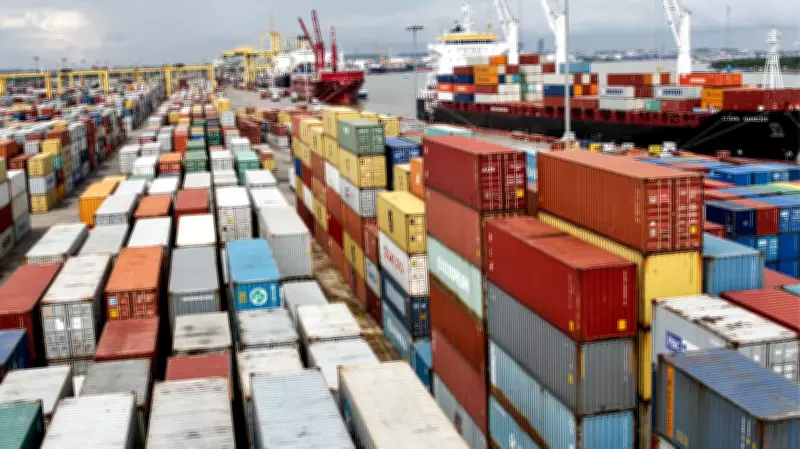
Shipping companies have strongly criticized the high charges imposed by the Nigerian Ports Authority (NPA) on berthing and passage for Nigerian-flagged vessels. In 2025, a total of 4,477 vessels paid a staggering $111.9 million per day in anchorage fees, according to industry reports.
Vessel Charges and Delays
Each foreign vessel is required to pay $25,000 per day for berthing, even when faced with delays in Nigeria. In contrast, national-flagged vessels pay between $1,500 and $2,500 for greenlight services to enter and exit the ports. The NPA reported that total ship calls increased by nearly 12 percent to 4,477 vessels in 2025, resulting in daily anchorage payments of approximately $111.9 million.
Shipping operators noted that vessels often remain on anchorage due to operational constraints such as limited berth availability, terminal congestion, and road traffic leading to the ports. These delays force vessels to stay for extended periods, and imposing charges during this waiting period ultimately increases the cost of shipping in Nigeria, especially when delays are largely beyond the control of vessel operators.
Industry Appeals for Relief
During the Federal Ministry of Marine and Blue Economy Stakeholders Engagement held in Lagos, the Chief Operating Officer of AA Secure Platforms, Balkisu Lawal-Akinbola, described the high cost of port operations as becoming unbearable. She explained that vessels must secure NPA approval and have a funded account before being allowed to leave anchorage. Lawal-Akinbola appealed to the minister and NPA leadership to address the situation, as it affects the cost of shipping services, which is passed on to importers and consumers.
NPA Defends Charges
Defending the high charges, the Managing Director of NPA, Dr. Abubakar Dantsoho, stated that the authority shoulders significant financial burdens to sustain services for the shipping community. He noted that Nigerian ports face stiff competition from regional hubs in Cotonou, Lomé, Ghana, and Abidjan. Dantsoho pointed to the high cost of acquiring and maintaining critical marine equipment, such as tugboats, which are largely imported and paid for in foreign currency, further increasing operational expenses. He also identified channel maintenance, particularly dredging, as one of the most capital-intensive aspects of port management.