
The Nigerian Shippers' Council (NSC) has issued a firm directive to shipping companies, their agents, and terminal operators across the nation's ports, ordering an immediate suspension of all planned increases to their charges. This decisive move comes in the wake of a two-day protest by freight agents which disrupted operations at the Apapa office of the Mediterranean Shipping Company (MSC).
Protest Triggers Regulatory Intervention
The protest, which took place on Monday and Tuesday, January 13-14, 2025, was a direct response to MSC implementing a significant hike in its fees without adequate consultation with industry stakeholders. The company had unilaterally adjusted several key charges, leading to widespread discontent.
The specific increases that sparked the unrest were substantial. For a 20-foot container, the Import Documentation Fee jumped from N45,000 to N58,500. The levy for a 40-foot container saw a similar rise, moving from N72,000 to N93,600. Furthermore, additional port charges for a 20-foot container increased from N50,000 to N80,000, while the cost for a 40-foot container surged from N100,000 to N160,000.
NSC Clarifies Process and Wields Authority
In a statement released by Rebecca Ada, Head of Public Relations at the NSC, the Council clarified its position. It affirmed that any recent adjustments it approved were done in line with its role as the official port economic regulator, following a transparent and structured process. This process, the NSC explained, involves technical consultations with service providers to examine costs, operations, and investments.
However, the Council made a critical distinction, stating that these engagements "did not constitute automatic approvals" but were part of a broader evaluation. Final decisions, it stressed, are based on rigorous internal assessments, empirical evidence, and current economic conditions.
Despite this, the NSC's latest directive is unequivocal. All shipping companies, agents, and terminal operators must halt any intended charge reviews until they have properly consulted their stakeholders. The Council warned it would "wield the big stick" against any service provider whose actions disrupt port operations.
Executive Secretary Issues Stern Warning
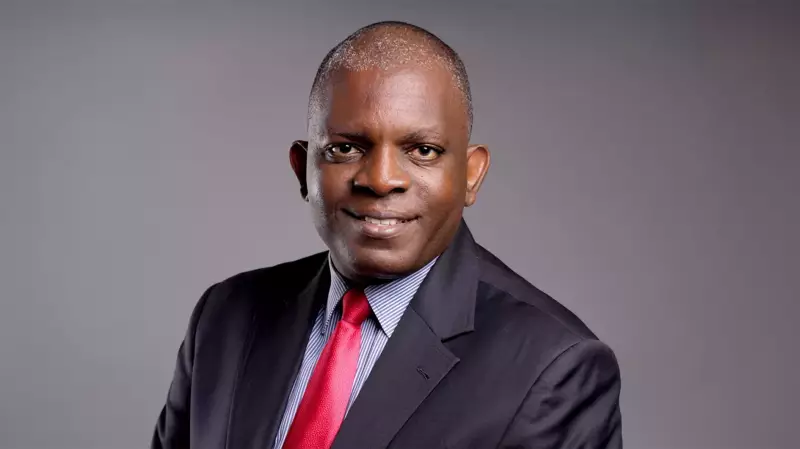
Dr. Pius Akutah, the Executive Secretary/Chief Executive Officer of the NSC, reinforced the directive with a strong warning. He emphasized that the Council is fully empowered to impose sanctions on defaulting operators, utilizing enforcement measures within existing regulatory frameworks. Akutah encouraged dialogue and compliance but stated clearly that any provider proceeding with fee increases without stakeholder engagement should be ready to face "decisive regulatory action."
The Council reiterated that the principles of transparency, fairness, and stakeholder participation are non-negotiable foundations of port economic regulation in Nigeria. This intervention aims to restore order and ensure that all future tariff adjustments follow due process, balancing the needs of service providers with the realities faced by freight agents and the broader trading community.




