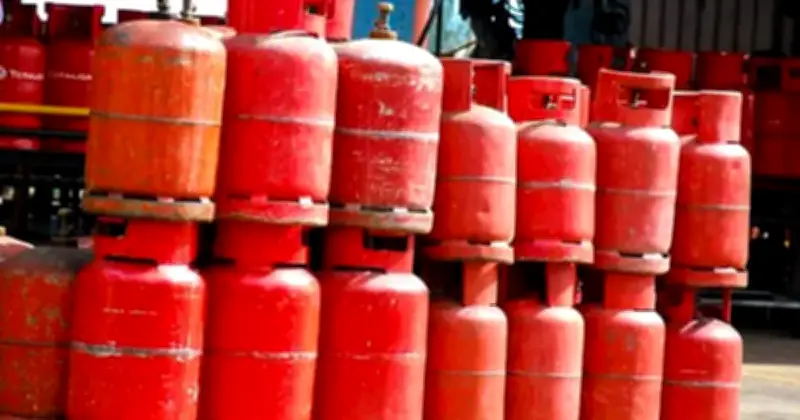
Cooking gas prices have risen again, with some Nigerians now paying up to ₦1,600 per kilogramme, according to recent market checks. The average retail price of Liquefied Petroleum Gas (LPG) is around ₦1,300 per kilogramme, but some outlets and informal sellers are charging between ₦1,500 and ₦1,600/kg depending on location and vendor.
This latest increase means households that rely on LPG for cooking are spending more to refill their cylinders. A consumer buying a 6kg cylinder at ₦1,600/kg would now spend about ₦9,600 on gas alone, excluding any additional charges from some retailers.
How much has cooking gas increased?
Cooking gas prices have experienced repeated upward movements this year, with market reports showing different price levels across states and outlets. The cost of LPG has been affected by supply challenges, transportation costs, exchange rate pressures and changes in international energy markets.

While some official market data track average national prices, actual prices paid by consumers often differ because of location, distribution costs and whether the buyer purchases from a major gas plant or a smaller retail outlet.
Why is cooking gas becoming more expensive?
Industry operators have attributed recent price increases to several factors affecting the LPG market. One major factor is the cost of sourcing and transporting gas. Nigeria has significant natural gas reserves, but challenges around processing, distribution infrastructure and logistics continue to affect the price consumers pay.
The exchange rate also affects LPG pricing because some parts of the supply chain rely on imported equipment, vessels, logistics and other foreign currency-linked costs. Gas marketers have also pointed to global energy market pressures as a factor influencing prices.
Impact on Nigerian households
The increase adds more pressure on households already dealing with rising costs of food, transportation and other basic needs. Many Nigerians have shifted to cooking gas in recent years as an alternative to firewood, charcoal and kerosene because of concerns around health, convenience and environmental impact.
However, repeated price increases have made some households reduce their consumption, refill smaller quantities or consider cheaper alternatives. Small businesses such as food vendors and restaurants that depend heavily on LPG are also affected because higher cooking costs can increase their operating expenses.
Government's push for LPG adoption
The Federal Government has promoted increased use of LPG as part of efforts to reduce dependence on traditional cooking fuels and expand access to cleaner energy. However, affordability remains a major challenge, as rising prices continue to affect the ability of many households to consistently use cooking gas.
With prices varying widely across locations, consumers are advised to compare prices from different approved outlets before refilling their cylinders.