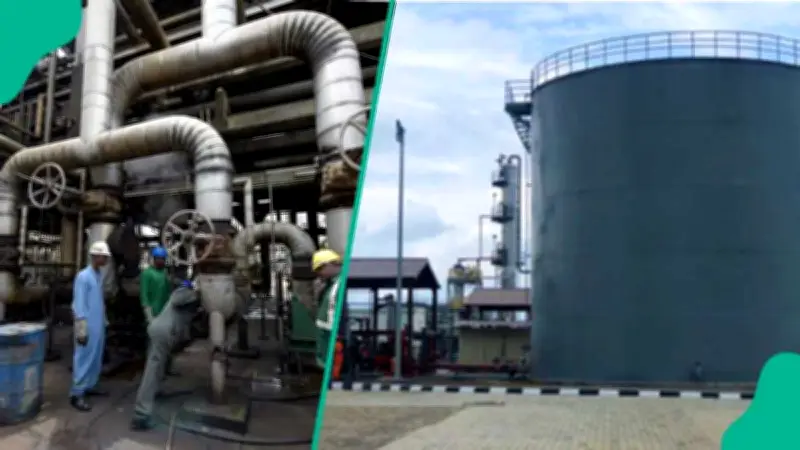
Ebenco Global Link Limited has received regulatory approval from the Nigerian Midstream and Downstream Petroleum Regulatory Authority (NMDPRA) to introduce hydrocarbons into its 30,000-barrels-per-day modular refinery in Koko, Delta State. The approval, granted after a Pre-Start-Up Safety Audit conducted on September 14 and 15, 2026, moves the facility into its final commissioning stage.
Safety Audit and Regulatory Clearance
The NMDPRA's approval followed a thorough Pre-Start-Up Safety Audit (PSSA) at the refinery, which confirmed that the facility met all required safety and operational standards for hydrocarbon introduction. According to the company, this clearance marks a significant transition from pre-start-up preparations to hydrocarbon introduction, commissioning, and performance testing.
With the regulatory clearance secured, the refinery will now begin a 90-day reliability test to assess its operational performance. This process will include a 72-hour continuous performance test conducted under the supervision of the NMDPRA. The testing phase is designed to establish the facility's operational reliability as it moves closer to commercial operations.
Commissioning Requirements and Oversight
Ebenco stated that the NMDPRA's pre-commissioning team will provide regulatory guidance throughout the commissioning process. The company is also required to submit daily reports detailing commissioning activities, operating performance, and product quality to the regulatory authority.
Additionally, the NMDPRA has directed that the refinery must obtain prior approval before any petroleum products are taken off during the commissioning period. The company is expected to report any shutdowns or safety incidents, including their causes and the corrective measures taken. These requirements ensure that commissioning activities comply with regulatory and safety standards as the facility undergoes performance testing.
Impact on Nigeria's Refining Capacity
The refinery's planned 30,000bpd capacity is expected to contribute to Nigeria's efforts to expand domestic refining, reduce dependence on imported petroleum products, and strengthen the country's downstream petroleum sector. As an indigenous project, the facility is designed to support local petroleum production and enhance Nigeria's energy security.
However, the facility must complete its reliability and performance tests before its operational readiness can be fully established. The successful completion of these tests will determine when the refinery can begin commercial operations and contribute to Nigeria's domestic refining capacity.