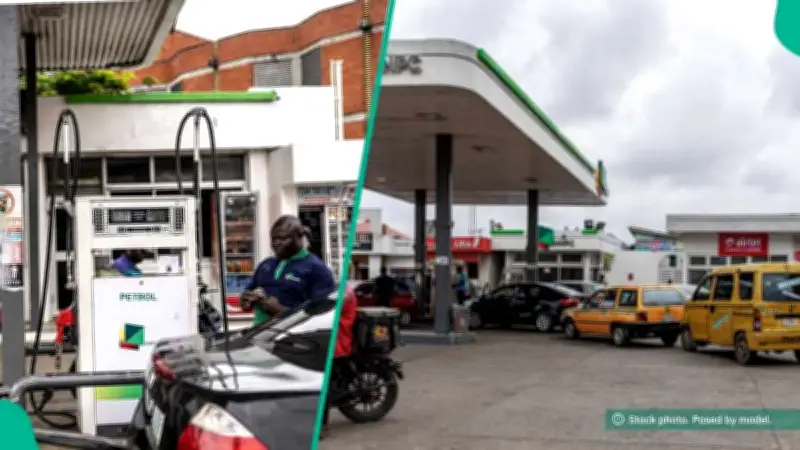
The Petroleum Products Retail Outlets Owners Association of Nigeria (PETROAN) has called on the federal government to urgently restart inactive government-owned refineries to boost local fuel supply and reduce the recent surge in petrol prices. Petrol prices have climbed to about N1,400 per litre in Lagos and Abuja, with some northern areas paying up to N1,500, according to reports.
PETROAN's Call for Refinery Revival
PETROAN's National Public Relations Officer, Joseph Obele, said the immediate approach to the recent rise in petroleum prices is to restart the government-owned refineries. The association specifically named the Port Harcourt, Warri, and Kaduna refineries as facilities that should be fully restored.
PETROAN argued that bringing multiple refineries online would introduce greater competition into the market and reduce the country's dependence on any single major supplier for its fuel needs. This comes as the Dangote Petroleum Refinery continues to operate at its 700,000-barrel-per-day capacity, yet prices remain high.

Crude Supply Challenges and Market Impact
Beyond refinery capacity, marketers identified access to affordable crude oil as another factor keeping fuel prices high. The Independent Petroleum Marketers Association of Nigeria (IPMAN) had previously asked the federal government to intervene in domestic crude pricing, warning that rising international oil prices increase production costs for local refiners and ultimately affect consumers at the pump.
The Dangote Refinery has itself faced crude supply challenges. Reuters reported that the facility needs between 13 and 15 crude cargoes every month but has been receiving fewer than required from NNPC, pushing it to source some crude at international market prices instead. PETROAN also urged the government and NNPC to ensure that any rehabilitated refineries are run efficiently and remain commercially sustainable over the long term.
Regulatory Stance and Government Action
The Nigerian Midstream and Downstream Petroleum Regulatory Authority (NMDPRA) has maintained that pump prices are determined by market forces under the country's deregulated downstream sector and that it does not fix them. However, the federal government has taken steps to address rising petrol prices, with the NMDPRA announcing plans to convene a consultative meeting with key players in the downstream petroleum sector.
The NMDPRA said the meeting, scheduled for Tuesday, will bring together refiners, depot owners, marketers, and retailers to discuss the pricing of Premium Motor Spirit (PMS) and other petroleum products. The regulator said the engagement is in line with the provisions of the Petroleum Industry Act.
As petrol prices continue to affect consumers nationwide, the effectiveness of these proposed measures and the consultative meeting will be crucial in determining whether fuel costs can be brought under control in the coming weeks.