
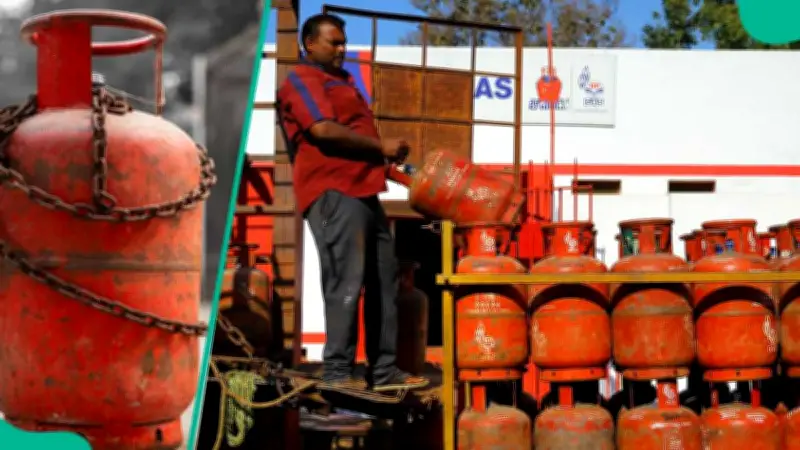
LPG Imports Surge by 1,400% to Address Supply Shortages
Liquefied Petroleum Gas (LPG), commonly known as cooking gas, imported into Nigeria surged by an astonishing 1,400 per cent to 1.5 kilotonnes per day (KT/d) in June 2026, according to the Nigerian Midstream and Downstream Petroleum Regulatory Authority (NMDPRA). The figures were contained in the NMDPRA Fact Sheet for June, released on Friday, July 17, 2026, which highlighted a dramatic increase in imports aimed at addressing supply shortages and stabilising prices nationwide.
Consumption Rises by 24% as Demand Outpaces Local Production
The report also revealed that Nigeria’s daily LPG consumption rose by 24 per cent, climbing to 5.1 KT/d in June from 4.1 KT/d recorded in the previous month. NMDPRA data showed that of the 5.1 KT/d of daily LPG consumed in June, 3.6 KT/d came from domestic production, while 1.5 KT/d was supplied through imports. This means imported LPG accounted for nearly 30 per cent of Nigeria’s total daily cooking gas supply in June, a clear indication that local production alone was insufficient to meet rising demand.
Industry analysts say the massive importation was necessary to prevent a deeper cooking gas scarcity, especially as millions of Nigerian households increasingly rely on LPG for cooking due to the high cost of kerosene and firewood alternatives.
Price Reductions Offer Relief to Households
The influx of imported LPG is driving prices across the country, with many dealers reporting a gradual reduction in the cost of refilling cooking gas cylinders. In several major cities, the price of LPG has eased to between ₦1,500 and ₦1,700 per kilogram, depending on location and dealer margins. This is a significant improvement from the peak period when cooking gas prices soared above ₦2,000 per kilogram, placing enormous financial pressure on households and forcing some families to revert to less clean cooking fuels. Previously, LPG sold for between ₦900 and ₦1,200 per kilogram, but the sharp price escalation was triggered by supply constraints, foreign exchange challenges, and rising global energy costs.
Long-Term Solutions Needed for Price Stability
The latest development has raised hopes of further price reductions if the increased importation trend continues and supply remains stable. For many Nigerian families, cooking gas is an essential household commodity, and any reduction in price provides immediate relief amid the country’s broader cost-of-living crisis. Stakeholders in the LPG sector have called for sustained investment in local gas production and infrastructure to reduce Nigeria’s dependence on imports in the long term. While the sharp rise in imports has temporarily eased supply pressures, experts warn that lasting price stability will depend on improving domestic production capacity, expanding storage facilities, and ensuring a steady foreign exchange supply for importers.
Marketers Release Lower Cooking Gas Prices
Legit.ng earlier reported that Nigeria's Liquefied Petroleum Gas (LPG) market is witnessing a sharp decline in prices as improved product availability across coastal depots eases the supply shortages that recently drove cooking gas costs to record highs. Fresh market checks by Petroleumprice.ng show that wholesale LPG prices have dropped to as low as ₦1,100 per kilogramme, down from an average of ₦1,500/kg recorded just days ago. At the height of the recent supply crisis, prices in some locations climbed close to ₦2,200/kg, placing additional pressure on households and businesses.




