
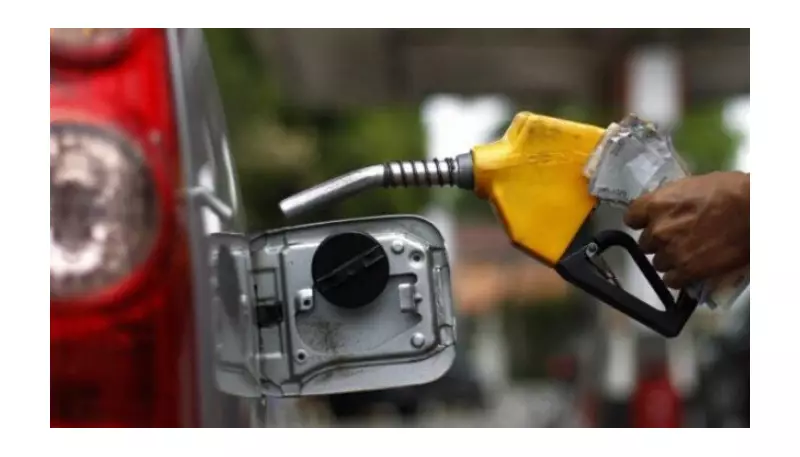
Nigeria's expenditure on Premium Motor Spirit (PMS), commonly known as petrol, reached a staggering N1.7 trillion in December 2025, according to official figures. This colossal spending was driven by a sharp increase in daily national consumption, which hit a record 63.7 million litres per day during the month.
Record Consumption and Soaring Costs
The data, released by the Nigerian Midstream and Downstream Petroleum Regulatory Authority (NMDPRA), shows a worrying upward trend in fuel usage. Consumption rose from 56.74 million litres per day in October to 52.9 million in November, before jumping to the December peak of 63.7 million litres daily. This surge places significant pressure on the nation's fuel market, echoing consumption levels seen before the removal of the petrol subsidy, which were often attributed to widespread smuggling.
With petrol prices in December fluctuating between N837 and N920 per litre, the average pump price settled around N878.50. This price point meant Nigerians spent approximately N55.9 billion every single day on petrol, culminating in the nearly N1.7 trillion monthly total.
Dangote's Growing Role and Regulatory Impact
A significant portion of the supply is now coming from domestic sources, primarily the Dangote Petroleum Refinery and Petrochemicals (DPRP). The refinery's daily PMS delivery jumped to 32.012 million litres in December, a substantial increase from 19.5 million litres per day in November. Despite this progress, the plant is operating at about 62% of its capacity, with its actual output still below its pledged target of 50 million litres daily.
Aliko Dangote, President of the Dangote Group, directly linked the refinery's improved output to recent regulatory reforms. He credited President Bola Tinubu's administration for removing officials in the downstream petroleum sector whom he described as corrupt. "In the last couple of days, we’ve had a bit of peace when the President threw away most of the corrupt people who are actually our own regulators," Dangote stated. He revealed that the refinery has since been loading an average of 49 to 50 million litres of petrol daily.
Beyond petrol, the Dangote facility also contributed an average of 5.783 million litres of diesel (Automotive Gas Oil) per day to the domestic market in December.
Imports Dominate as Local Refineries Struggle
Despite the rising domestic production, imports continue to satisfy the majority of Nigeria's petrol demand. NMDPRA data indicates that oil marketing companies and the Nigerian National Petroleum Company Limited (NNPCL) imported an average of 42.2 million litres per day in December. This means imports accounted for more than half of the total national supply.
The situation is exacerbated by the continued non-performance of the country's state-owned refineries. The Port Harcourt, Warri, and Kaduna refineries remained completely shut throughout December, producing zero litres of PMS. The Port Harcourt Refinery only managed to evacuate a minuscule 0.247 million litres of diesel per day, sourced from stock produced before its shutdown on May 24, 2025.
Output from modular refineries also remained marginal. Key players like Watersmith, Edo, and Aradel refineries operated at varying capacities but contributed only small volumes of diesel, with others like OPAC and Duport remaining offline.
Looking ahead, Dangote highlighted plans to launch a fleet of 4,000 CNG-powered tankers, which he said would drastically cut transportation costs and improve the efficiency of fuel distribution across Nigeria. He reiterated his group's broader vision, emphasizing, "Our ambitions go beyond building factories. It is about building Africa’s capacity to feed itself, power its economy, develop its people, and drive sustainable industrialisation."




