
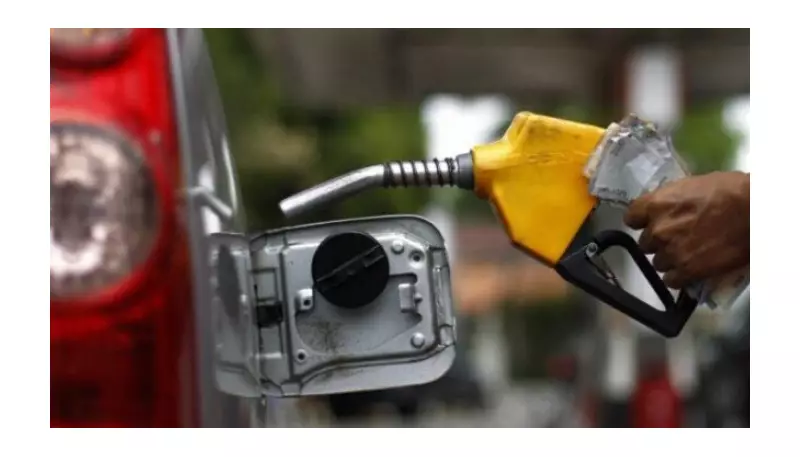
The administration of President Bola Ahmed Tinubu recently sparked a major debate with its announcement of a new 15 per cent import duty on petroleum products. This policy, aimed at boosting non-oil revenue and supporting local refining, was met with swift criticism over fears of rising fuel prices. In a quick reversal, the federal government has now suspended the duty, but the episode highlights the difficult balancing act in Nigeria's energy sector reform.
The Rationale Behind the Controversial Duty
The primary goal of the proposed 15 per cent tariff was to strengthen Nigeria's fragile revenue base. For decades, the country has operated a mono-revenue economy heavily dependent on oil, making it vulnerable to unpredictable international price shocks. This vulnerability has consistently hampered effective economic planning. The new duty was presented as a strategic step towards creating alternative revenue streams, a move long advocated by financial experts.
Another key driver was the desire to reduce national dependence on imported fuel. Historically, fuel importation has led to high pump prices, the risk of substandard products entering the market, and the strengthening of cartels that distort fair competition. The government also pointed to the need to back domestic refining capacity, especially with the Dangote Refinery hitting significant production milestones.
Local Refinery Growth and Immediate Backlash
The timing of the policy was closely linked to the progress of the Dangote Refinery. The facility is reportedly producing over 100 million litres of petrol, diesel, and jet fuel daily, surpassing the national average consumption of about 48 million litres. With its capacity set to reach 650,000 barrels per day and a planned expansion to 1.4 million bpd, the government felt compelled to support this local giant. The import duty was seen as a tool to encourage this shift towards energy security.
However, critics were quick to voice concerns. They argued that the duty could increase fuel prices by as much as ₦99.75 per litre, piling more hardship on consumers and businesses already struggling with inflation and naira instability. Warnings were also raised about creating a monopoly by over-relying on a single local supplier like Dangote, which could reduce competition and hurt consumers in the long run. Investors in import-dependent infrastructure, such as tank farms, expressed worries about stranded assets.
Suspension and the Lingering Cloud of Uncertainty
Mindful of the political backlash from previous policies like the fuel subsidy removal, the government acted swiftly. It announced the suspension of the import duty, which was originally slated to take effect in December 2025. Officials explained the move was necessary to prevent unnecessary price hikes during the festive season, preserve supply stability, and ease the burden on households. They suggested the policy might be revisited in January 2026.
While the suspension offers temporary relief, it introduces significant uncertainty. Experts warn that consumers may still face higher prices early in the new year if the duty is reinstated. More critically, the policy U-turn creates a difficult environment for investors. Those who have committed funds to local refining are left in limbo, while investors in import infrastructure may get a temporary reprieve. This inconsistency can deter investment, which is vital for sector growth.
The situation underscores the urgent need for a more strategic and consistent approach to energy policy. It has revived calls for the establishment of a dedicated Energy Bank to fund investments across the oil and gas value chain. For Nigeria, prioritizing local production is not just patriotic but economically imperative. However, policymakers must simultaneously address the high cost of production and other structural challenges that discourage domestic investment. The path forward requires bold, collaborative reforms that align national interest with investor confidence to achieve true energy security.




