
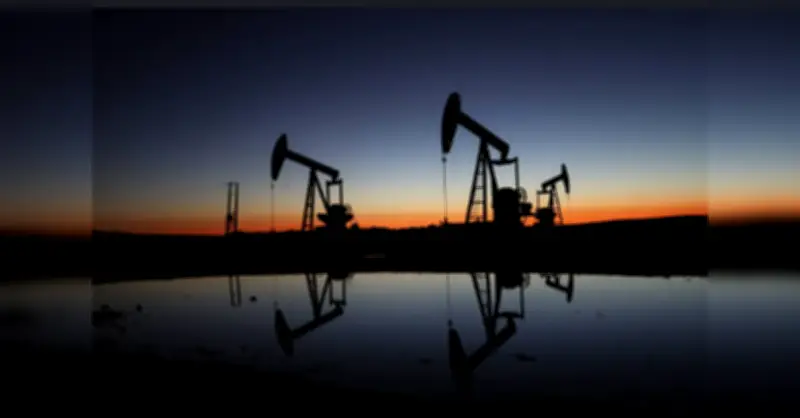
Oil prices extended their decline for a third straight trading session on Thursday, July 2, falling by approximately one per cent as market sentiment was shaped by diplomatic developments and supply expectations. Brent crude futures slid 77 cents, or 1.1 per cent, to $70.80 per barrel, while US West Texas Intermediate (WTI) crude dropped 84 cents, or 1.2 per cent, to $67.74 per barrel as of 0256 GMT. Both benchmarks had already lost more than one per cent in the prior session, reaching their lowest levels in four months.
Strait of Hormuz Talks and Output Hike Expectations
The latest decline followed indications from Qatar that Iran and the United States had made progress in indirect negotiations regarding the Strait of Hormuz, a critical chokepoint through which roughly one-fifth of the world's oil supply transits. According to a Bloomberg report, crude shipments through the strait have exceeded 10 million barrels per day. The prospect of eased tensions in the region reduced the geopolitical risk premium that had been supporting prices.
Market participants were also bracing for a potential increase in oil production targets when the Organisation of the Petroleum Exporting Countries and its allies (OPEC+) meet on Sunday, July 5. A Reuters report, citing sources familiar with the discussions, indicated that the oil-producing alliance is likely to agree to a further output hike starting in August. This expectation added downward pressure on prices, as any additional supply could further offset demand.
Analysts Warn Inflation Risks Persist Despite Lower Oil
Charu Chanana, an analyst at Saxo Markets, cautioned that the recent drop in energy prices should not be interpreted as a definitive sign that inflation is under control. She noted that wage growth, services inflation, tariffs, supply chain disruptions, and government spending could continue to keep inflation above the US Federal Reserve's target, even as oil prices ease. Chanana warned that lower oil prices alone do not guarantee a sustained reduction in broader price pressures.
Geopolitical Risks Remain a Wildcard
Chanana also highlighted that several factors could quickly restore the geopolitical risk premium in global oil markets. These include renewed geopolitical tensions, delays in reopening the Strait of Hormuz, a collapse in nuclear negotiations, or the breakdown of the current ceasefire. Such developments could reverse the recent price declines and reintroduce volatility. As of now, the market remains focused on the outcome of the OPEC+ meeting and further clarity on US-Iran talks.




