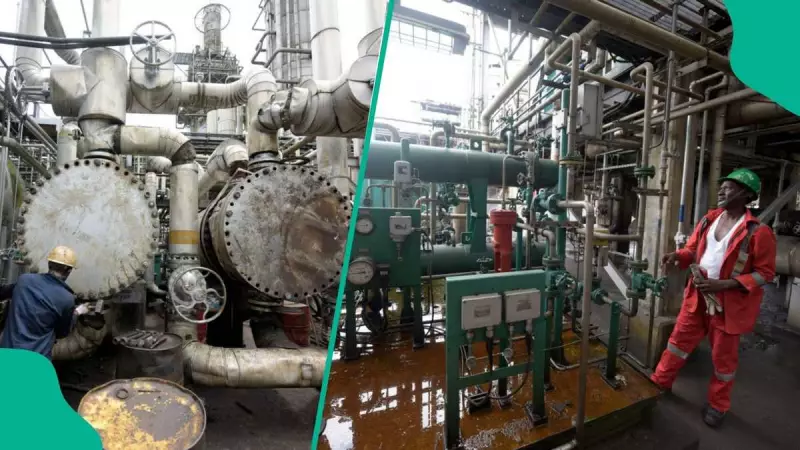
The Petroleum Products Retail Outlets Owners Association of Nigeria (PETROAN) has intensified its demand for the federal government to sell off the country's four state-owned refineries, setting a firm deadline of the first quarter of 2026 for the process to be completed.
Privatisation as a Path to Efficiency and Savings
In a recent statement, PETROAN argued that transferring the refineries operated by the Nigerian National Petroleum Company Limited (NNPC Limited) to private hands is the only way to end the persistent financial drain on the government. The association's National President, Mr Billy Gillis-Harry, stated that decades of public funding have failed to yield productive results. He emphasised that private sector management is now essential for Nigeria to achieve energy security and bring stability to the downstream petroleum sector.
PETROAN believes a transparent and well-executed privatisation will unlock multiple benefits for the economy. The association contends it will foster healthy competition, reduce the nation's heavy reliance on imported petrol and diesel, conserve valuable foreign exchange, and create jobs throughout the oil and gas value chain. Furthermore, they link successful refinery reform to broader sectoral growth, noting that robust domestic refining capacity would complement upstream production investments and solidify Nigeria's overall energy outlook.
NNPC's Stance and Industry Pressure
This renewed call comes against the backdrop of recent operational failures at the refineries. The Port Harcourt refinery was shut down in May 2025, merely six months after it was declared operational. Similarly, the Warri refinery reportedly halted operations just one month after its inauguration in December 2024. These setbacks have amplified criticism from various industry quarters.
Groups like the Manufacturers Association of Nigeria (MAN) and the Organised Private Sector (OPS) have consistently labelled the refineries as an economic burden, urging the government to divest. Historical data supports their stance, showing that billions of dollars have been approved for the rehabilitation of the Port Harcourt, Warri, and Kaduna refineries over the years with minimal output to show for the expenditure.
However, the NNPC Limited's leadership has presented a different approach. The Group Chief Executive Officer, Mr Bayo Ojulari, has opposed calls for an outright sale. Instead, he revealed that the company is conducting a comprehensive review of the refineries' operational and commercial viability. This assessment will determine whether the plants should be overhauled, repurposed, or potentially sold to improve efficiency and profitability. Ojulari stated the review aims to reposition the assets as sustainable, revenue-generating entities capable of meeting domestic fuel demand.
Government Considerations and the 2026 Budget Context
PETROAN has expressed confidence in the 2026 Budget, which is based on a crude oil production target of 1.84 million barrels per day and an oil price benchmark of $64-$65 per barrel. The association views this fiscal framework as a solid foundation for implementing refinery privatisation and other critical reforms in the energy sector.
The association also outlined additional measures needed to boost investor confidence, including improved security for oil and gas infrastructure, effective host community engagement under the Petroleum Industry Act (PIA), and adequately funded regulators. PETROAN maintains that privatisation would free up government resources for pressing national priorities like security and public infrastructure, while allowing the private sector to drive innovation in refining and petrochemical development.
Indications suggest the federal government is actively considering its options. The Special Adviser to President Bola Tinubu on Energy, Olu Verheijen, previously disclosed that the government was evaluating several models for the refineries, including a full or partial sale to qualified private investors with the requisite financial muscle and technical expertise to revive the moribund assets.