
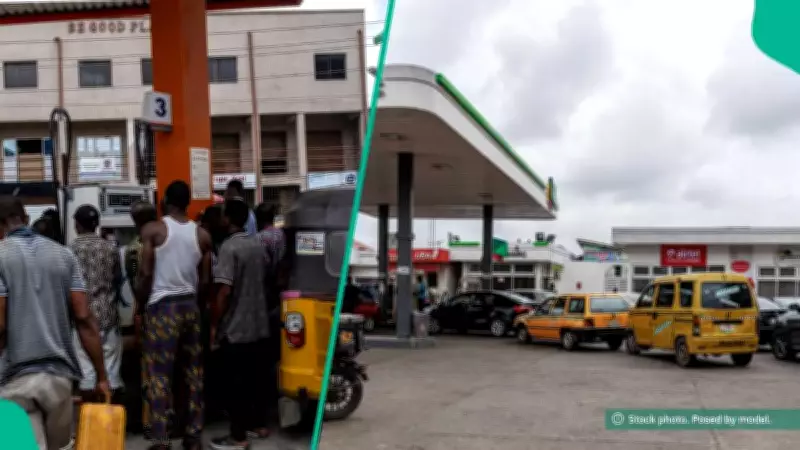
Major Oil Marketers Adjust Petrol Prices Upward Following Dangote Refinery's Move
MRS Oil Nigeria Plc has implemented a significant upward review of its petrol pump prices across its downstream operations in Nigeria. This adjustment comes in direct response to Dangote Petroleum Refinery's decision to increase its gantry price for Premium Motor Spirit (PMS).
New Pricing Structure Announced by MRS
In an official notice circulated to dealers, MRS disclosed that its new pump price for petrol has been set at N1,332 per litre. The company has established company delivery at N1,290 per litre, while self-collection is priced at N1,282 per litre. MRS has directed all its retail outlets to immediately implement these changes and has opened its order portal for fresh bookings.
The company specified that the minimum order quantity for company delivery has been pegged at 50,000 litres. According to the notice, all product loading will take place at the Dangote Refinery facility, indicating the refinery's growing influence in Nigeria's petroleum distribution network.
Dangote Refinery's Rapid Price Adjustments
Dangote Petroleum Refinery has raised its gantry price of petrol to N1,275 per litre, marking its second price increase within a 24-hour period. Barely twelve hours after an earlier hike, the refinery increased the price of PMS from N1,245 to N1,275 per litre. The revised rate took effect from 12:00 a.m. on March 21, 2026, with the refinery explicitly stating that all previously communicated prices should be disregarded.
In a notice to customers, the refinery declared: "The prices contained in our previous correspondence are no longer applicable and should be disregarded." This rapid adjustment reflects the volatile nature of global crude oil markets and their immediate impact on local petroleum pricing.
Nationwide Impact and Other Marketers' Responses
The latest adjustments are expected to push retail prices higher across Nigeria, adding to mounting inflationary pressures as petrol costs continue to rise in alignment with global crude oil trends and supply dynamics. Ardova Plc has already adjusted its petrol prices to N1,350 per litre from N1,230 in Lagos, representing a substantial increase for consumers in the commercial capital.
Market surveys indicate that most filling stations across the country have adjusted their pump prices to range between N1,330 and N1,355 per litre. This widespread adjustment suggests that the price increases initiated by major players are being adopted throughout the petroleum distribution chain, affecting consumers nationwide.
Global Crude Oil Price Surge Drives Local Increases
The primary driver behind these petrol price increases in Nigeria has been the dramatic surge in global crude oil prices. Brent crude oil prices jumped on Friday, March 20, to their highest level in nearly four years after Iraq declared force majeure on all oilfields developed by foreign oil companies.
Brent futures for May settled up $3.54, or 3.26%, at $112.19 per barrel, marking the highest price point since July 2022. U.S. West Texas Intermediate crude futures for April, which expired on the same Friday, settled up $2.18, or 2.27%, at $98.32 per barrel. The more actively traded second-month U.S. crude futures settled at $98.23, representing a 2.8% increase.
These international market movements have created a ripple effect that directly impacts Nigeria's domestic petroleum pricing, despite the country's status as a major oil producer. The situation highlights the continued vulnerability of Nigeria's petroleum sector to global market fluctuations, even with increased domestic refining capacity through facilities like the Dangote Refinery.
The coordinated price adjustments by MRS, Ardova, and other marketers following Dangote Refinery's cost increase demonstrate the interconnected nature of Nigeria's petroleum supply chain. As global crude oil prices continue to show volatility, Nigerian consumers face the prospect of further fuel price adjustments in the coming weeks, adding pressure to household budgets and business operating costs across the economy.




