In a significant development for global energy markets, the United States has announced it will take indefinite control over the sale of Venezuelan crude oil. This move follows the recent political shift in Caracas and aims to manage the country's vast oil resources, which have been under sanctions.
US Announces Long-Term Plan for Venezuelan Crude
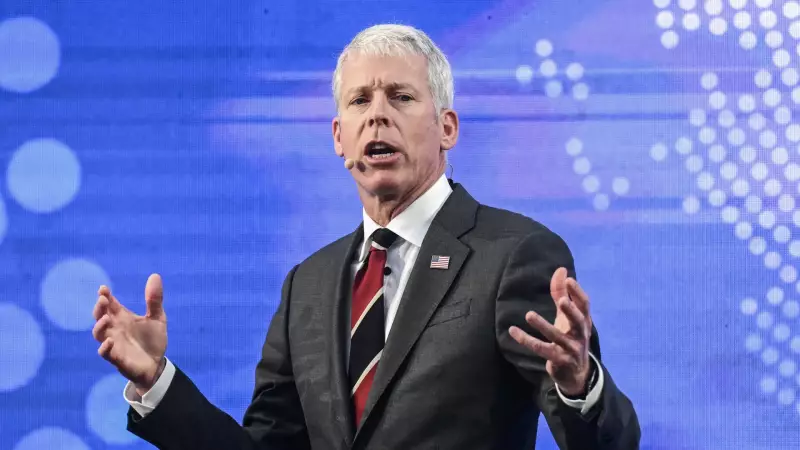
US Energy Secretary Chris Wright made the declaration on Wednesday, January 7, at a Goldman Sachs energy conference in Miami. He stated that Washington would oversee the marketing of Venezuela's oil, starting with stored barrels and continuing with future production. This plan was set in motion after President Donald Trump's announcement that Venezuela's interim leadership agreed to US-managed sales of 30 to 50 million barrels of crude.
"We're going to market the crude coming out of Venezuela, first this backed-up stored oil, and then indefinitely, going forward, we will sell the production that comes out of Venezuela into the marketplace," Wright said. His comments came just days after the US-led removal of Venezuelan leader Nicolas Maduro, who was captured in Caracas and flown to New York to face drug charges.
Reviving a Crippled Oil Industry
Wright indicated that sanctions on Venezuela's crucial oil sector could be eased to facilitate exports. A key part of the US plan involves supplying the diluting agents needed to process Venezuela's extra-heavy crude for shipment. Furthermore, cooperation with the interim government led by Delcy Rodriguez would allow the importation of vital parts, equipment, and services.
The goal is to prevent a total collapse of the industry, stabilize output, and eventually increase production. Wright, a former oil and gas executive, acknowledged the monumental task ahead. He noted that restoring Venezuela's oil production to its historical peak of more than three million barrels per day would require tens of billions of dollars and significant time, but he insisted it was achievable.
Short-Term Gains and Long-Term Challenges
In the nearer term, Wright suggested production could be increased by several hundred thousand barrels per day with relatively modest investment in spare parts and efforts to revive existing facilities. President Trump stated that the initial 30 to 50 million barrels would be shipped to US ports, with proceeds estimated at over $2 billion at current prices, placed under US control.
However, major hurdles remain. Venezuela, which claims roughly a fifth of the world's oil reserves, faces crippling challenges including aging infrastructure, low global prices, and deep political uncertainty. It is also unclear whether interim President Delcy Rodriguez formally agreed to the arrangement, how it will be implemented, or the legal basis for US control of the sales.
"Think about where Venezuela was a week ago," Wright remarked. "It's a little different today, but everything else is largely the same. This is going to require cooperation and pressure between the United States and Venezuela." The world now watches to see if this bold move can unlock Venezuela's oil potential or become another chapter in its prolonged crisis.