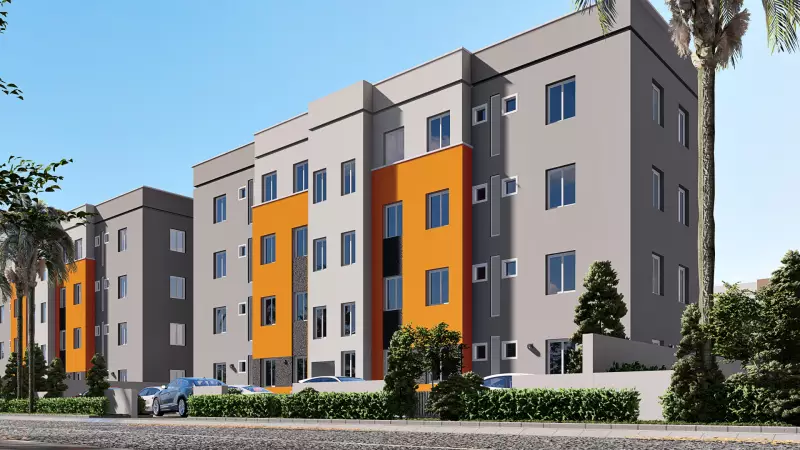
Nigerians living abroad are fundamentally reshaping the nation's property market, injecting billions of dollars in capital while simultaneously exposing critical structural weaknesses that threaten the sector's long-term health. Armed with stronger foreign currency purchasing power, these diasporan investors have become the dominant force in high-end and off-plan property sales, providing vital liquidity to developers amidst a challenging economic climate.
The Driving Force: Capital, Sentiment, and Prime Locations
The devaluation of the Naira has made Nigerian assets comparatively cheaper for those earning in dollars or pounds, creating a powerful investment incentive. Industry reports indicate that diaspora-led transactions now account for 70 to 80 percent of sales for top developers in markets like Lagos, Abuja, and Port Harcourt. This trend is underpinned by the staggering $20.93 billion in remittances sent home in 2024, with an estimated 30%—roughly $6.28 billion—channeled annually into housing and construction.
For many abroad, buying property is a dual decision: a financial hedge against inflation and a lasting emotional connection to home. This has fueled massive demand for premium developments in secure, master-planned communities. In Lagos, hotspots include Victoria Island, Ikoyi, Ikeja GRA, and the Lekki-Epe-Ajah corridor. Abuja's Maitama, Asokoro, and Gwarimpa are equally sought-after.
The off-plan sales model, where buyers pay in instalments over 12-24 months for properties yet to be built, has become particularly popular. It allows diaspora investors to lock in prices and spread payments, while giving developers upfront capital. Properties targeted at this market are typically luxury apartments or duplexes, with prices starting from about N250 million for a two-bedroom unit and exceeding $3 million for top-tier duplexes.
Fault Lines Exposed: Fraud, Delays, and Systemic Failures
However, this influx of diaspora investment has cast a harsh light on the sector's persistent problems. Land title insecurity remains a paramount concern, as investors buying remotely struggle to verify ownership and statutory approvals, leaving them vulnerable to fraud and legal disputes.
Unregulated agents and fake developers have exploited this distance, using social media to market non-existent projects. Project delivery delays, caused by inflation, rising construction costs, and poor management, further erode trust and undermine expected rental income—a key motivator for investors.
Currency volatility presents a double-edged sword. While a weak Naira boosts buying power, it drives up the cost of imported building materials, often leading developers to impose mid-project price reviews that spark disputes. Post-construction, poor estate management—marked by unreliable utilities and weak security—diminishes rental yields and long-term property value.
Reforms and the Push for a More Secure Market
In response to these challenges and driven by diaspora demand for security, stakeholders are pushing for significant reforms. Some state governments are digitising land registries to improve transparency. Developers are increasingly adopting escrow accounts and milestone-based payment structures to ensure funds are only released after verified construction progress.
Technology is playing a crucial role, with virtual inspections, drone footage, and digital contracts enabling remote monitoring. There are growing calls for stricter regulation, including mandatory licensing of developers and agents, and public registers of approved projects.
Institutional support is also growing. The Nigerians in Diaspora Commission (NiDCOM) has launched tech-driven platforms like the 'Home and Abroad Platform' with partners including FirstBank to offer verified properties and combat fraud. The Central Bank of Nigeria's Diaspora Mortgage Schemes and the Federal Mortgage Bank of Nigeria's Diaspora NHF Mortgage Scheme are making ownership more accessible.
One flagship project is the Diaspora City initiative by the Federal Housing Authority (FHA) in Abuja, covering over 675 hectares and aiming to deliver more than 17,000 housing units.
Expert Warnings and the Road Ahead
Industry experts acknowledge the transformative role of diaspora investors but warn that sustained growth requires fixing foundational issues. Olajide Dosunmu, Managing Director of Noble Ground Real Estate, criticized the exorbitant cost and complexity of obtaining land titles in Nigeria, calling for a more transparent and affordable process.
Sam Eboigbe, a former chairman of the Nigerian Institution of Estate Surveyors and Valuers (NIESV), noted that while emotional attachment and solidarity buying persist, investors have become more cautious due to failed projects. He warned that currency instability is reducing the attractiveness of Nigerian property as a yield-bearing asset, with some investors redirecting funds to markets like Dubai.
Dotun Bamigbola, a past chairman of NIESV Lagos Branch, emphasized that trust remains the major hurdle. He called for better market organization, faster title registration, and stronger government involvement to create a more business-friendly environment, urging professionals to enhance their visibility to guide diaspora investors away from risky, informal transactions.
The consensus is clear: Diasporan investors are an indispensable engine for Nigeria's real estate growth, but harnessing their full potential demands urgent, systemic reforms to build trust, ensure transparency, and deliver on promises.