Nigeria's high-end residential property market is set to maintain a steady growth trajectory throughout 2026, according to industry consensus. This resilience comes despite persistent macroeconomic challenges, including currency volatility and a significant national housing deficit.
Key Drivers: Diaspora Billions and Wealth Concentration
Annual remittances from Nigerians living abroad, estimated at over $20 billion, form a major pillar of demand. A substantial portion of these funds is directed into premium residential developments in major hubs like Lagos and Abuja. For diaspora investors, luxury Nigerian real estate serves as a tangible hedge against global economic uncertainty and offers the emotional value of reconnecting with home.
Demand is further sustained by Nigeria's concentrated wealth, generated from sectors such as energy, finance, technology, and international trade. Expatriates working with multinational corporations and diplomatic missions also contribute consistently to the pool of high-end buyers and renters.
Lagos and Abuja: Established Hubs and Emerging Corridors
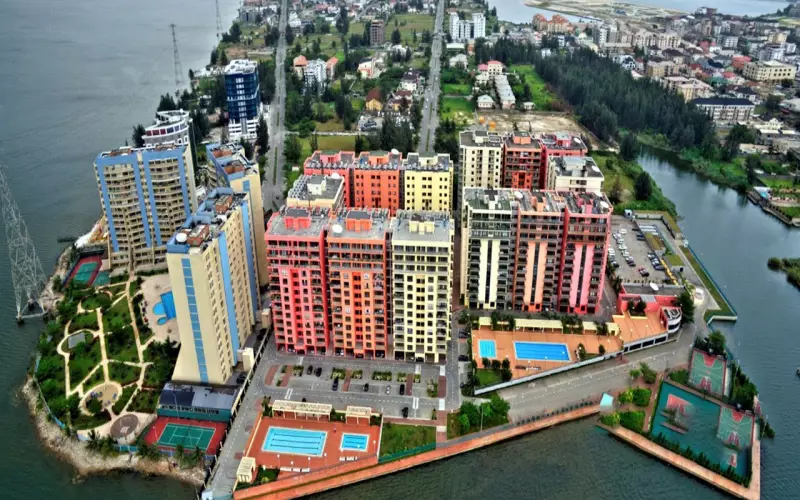
Lagos continues to dominate the luxury landscape. Prime neighbourhoods like Ikoyi, Victoria Island, and Banana Island remain the most coveted addresses, prized for their proximity to commercial centres, waterfront views, and superior infrastructure. In these mature markets, analysts project moderate but stable price appreciation of between five and eight per cent in 2026.
Vertical development is reshaping skylines, particularly in Ikoyi, where high-rise luxury apartments and mixed-use towers are becoming the norm in response to land scarcity. Abuja retains its status as a key market in areas like Maitama and Asokoro, driven by politicians, diplomats, and corporate executives.
Simultaneously, emerging corridors along the Lekki-Epe axis, including Ibeju-Lekki, are attracting developer interest. Improved infrastructure like the Lekki Deep Sea Port and the Dangote Refinery is boosting confidence in these areas for medium- to long-term growth.
Redefining Luxury: Smart Homes and Lifestyle Investments
The definition of luxury in Nigeria is evolving. Buyers now prioritise smart-home technology, energy efficiency, and integrated amenities over sheer size. Features like private gyms, concierge services, and guaranteed power and water supply have become baseline expectations.
Mixed-use developments that combine residences with retail and leisure are gaining popularity. Furthermore, high-net-worth individuals increasingly view prime property as a strategic hedge against inflation and currency risk, not just a home.
Market intelligence indicates that over 1,000 luxury apartments are currently under construction across Lagos, Abuja, and Port Harcourt, with Lagos leading the activity. Price points remain elevated, with three-bedroom duplexes with premium features often starting from N1.5 billion and above.
Challenges and a Confident Outlook
The outlook is not without headwinds. High construction costs, financing constraints, and low mortgage penetration continue to challenge developers. Concerns around quality assurance and transparency, especially for diaspora buyers, also persist.
Nevertheless, industry leaders express confidence. Mr Ayo Ibaru, CEO of Northcourt Real Estate, asserts that the luxury segment operates on its own demand logic, driven by quality rather than the affordability pressures affecting the broader market. He notes a robust pipeline of developments, particularly on Lagos Island.
Mr Gladstone Opara, former President of FIABCI-Nigeria, highlights that innovation is now key. Developers are focusing on smart buildings and green environments to meet buyer demands for international-grade standards, often benchmarked against properties in the US and UK by the diaspora.
While tax reforms and macroeconomic pressures may influence costs, the underlying demand from HNWIs, expatriates, and diaspora investors remains strong, positioning Nigeria's luxury real estate for sustained growth in 2026.