Tens of thousands of Fast-Moving Consumer Goods (FMCG) retailers in Nigeria are counting their losses and groaning over the National Agency for Food and Drug Administration and Control (NAFDAC) enforcement of the sachet alcohol ban below 20cl. The crackdown, they say, brutally cuts off their primary source of daily cash flow, triggers heavy merchandise seizures, and forces small kiosks and shops out of business amid severe economic hardship.
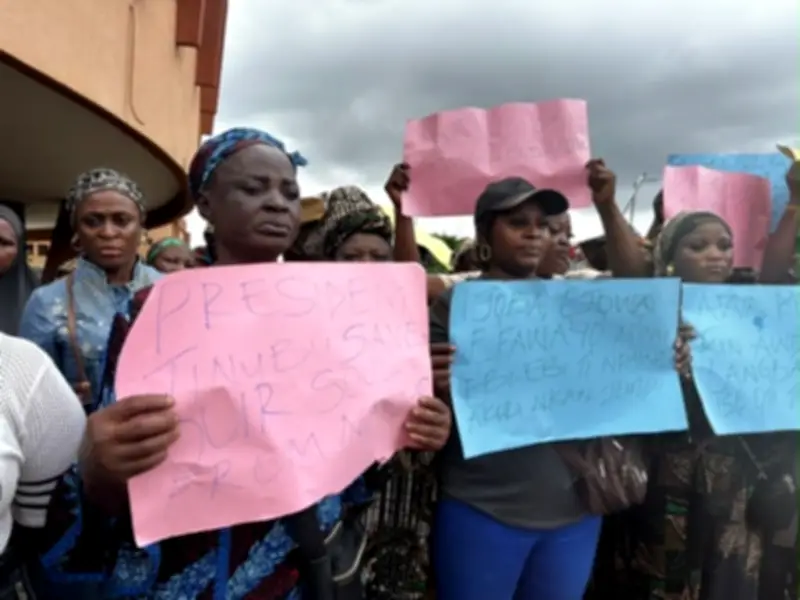
Protest in Ibadan Highlights Economic Toll
During a recent protest in Ibadan, Oyo State, petty traders bemoaned the economic woes and the devastating toll NAFDAC’s stock confiscations are taking on their daily earnings to sustain their households. They said seizing their unsold merchandise has resulted in direct financial losses which they cannot recover.
“We took bank loans to establish and operate our businesses, and we are now finding it extremely difficult to repay those loans because our businesses are no longer moving as before,” Oluwatosin Adebisi, Spokesperson of the Concerned Drink Sellers, Distributors and Traders Across Nigeria, said during the protest at NAFDAC’s office in Ibadan.
Traders Dissociate from Underage Sales
While appealing to President Bola Ahmed Tinubu, Professor Mojisola Adeyeye (NAFDAC Director-General), and the Honourable Members of the Houses of Assembly across the 36 states to consider their plight, the association strongly dissociated itself from selling sachet alcohol to underage persons.
“We don’t sell alcohol to minors as we also know the implications as parents. Our means of livelihood should not be taken away as sacrifice to what we are not responsible for,” they said.
Adekemi Lateef, a retailer, added: “Any minor exposed to alcohol have such exposure from their parents and not sellers. We should not be held responsible for parental failure.”
Businesses Face Permanent Closure
These low-income operators, numbering in the thousands at the bottom of the retail chain, face permanent closure of their kiosks in local markets and neighborhood shops.
“Since the NAFDAC enforcement began, our businesses have been severely affected. Many shops are now empty, and major international markets across the 36 states that depend on the sale and distribution of drinks have become very quiet,” Bukola Ayeni, another seller, noted. “Many of us have become jobless and are struggling to provide food for our families,” she added.
The association further pleaded: “We humbly appeal to the Federal Government and NAFDAC to consider our plight as petty traders and distributors whose livelihoods depend on this industry. Your Excellency, please intervene in this matter, have mercy on us and help us before our businesses collapse completely. Many families depend on these businesses for their daily food and survival.”
NAFDAC Responds to Protest
Addressing a mammoth crowd of retailers who were visibly distraught with economic misfortune, Isaac Kolawole, Deputy Director and head of the NAFDAC South West Zonal Office in Ibadan, pointed out that NAFDAC is carrying on its statutory function as a regulatory agency of the government. He, however, assured the protesting retailers that their plight would be effectively communicated to the DG of NAFDAC.
While retailers and advocacy groups argue that underage drinking stems from poor parenting or outright parental failure rather than the packaging size of alcohol itself, others believe that NAFDAC’s crackdown unfairly punishes legitimate traders. The enforcement continues, leaving thousands of retailers uncertain about their future as they await possible government intervention.