
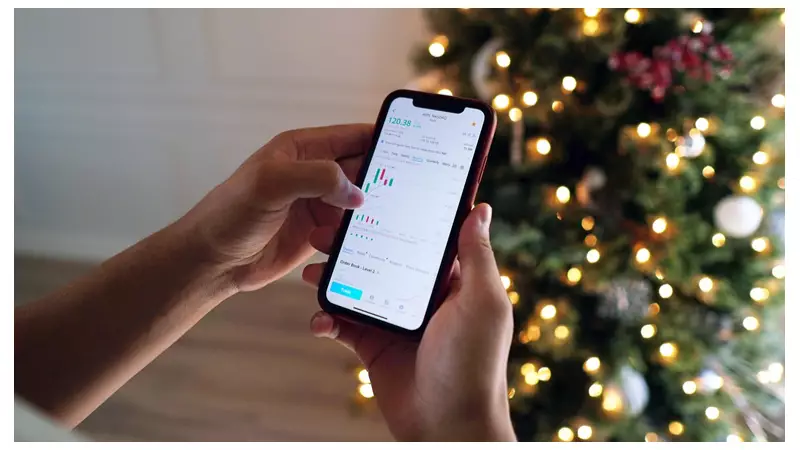
The landscape of foreign exchange trading in Nigeria is undergoing a significant and rapid transformation. Market participants are witnessing a notable improvement in liquidity, enhanced accessibility via mobile platforms, and more streamlined processes for funding and withdrawing capital. These combined developments are attracting a fresh wave of participants while empowering experienced traders to execute their strategies with greater precision and consistency.
The Driving Forces Behind Improved Market Conditions
At the core of this shift is a substantial increase in market liquidity. Liquidity refers to the ability to buy or sell an asset at a stable price without experiencing significant price slippage. In Nigeria, several specific factors are contributing to this positive trend. Traders now report more consistent and reliable pricing, particularly around key global market sessions like the London open and the overlap with New York trading hours.
Furthermore, financial institutions and payment service providers have enhanced their infrastructure, enabling faster and more reliable fund transfers within the existing regulatory framework. Perhaps most importantly, retail participation has surged in major economic hubs including Lagos, Abuja, and Port Harcourt. This growing local volume adds steady trading activity during peak hours, further deepening the market.
How Better Access and Smoother Operations Benefit Traders
The practical implications of these changes are profound for both new and seasoned traders. While improved liquidity does not eliminate the inherent risks of forex trading, it creates a more efficient environment. Traders can benefit from tighter spreads on major currency pairs, fewer failed orders during volatile economic data releases, and more dependable stop-loss placement near key technical levels.
Concurrently, access to trading platforms has expanded dramatically across devices. The proliferation of mobile broadband and more common power backup solutions means Nigerian traders can now monitor charts and manage positions from virtually anywhere—during commutes or short breaks. While desktop platforms remain vital for in-depth analysis, mobile control is crucial in a country where work schedules and traffic can unpredictably interrupt screen time.
The process of moving money in and out of trading accounts has also become smoother. The goal is predictable timing. Faster deposit and withdrawal cycles reduce the need to keep excessive idle cash in trading accounts, allowing individuals to better align their trading capital with personal budgets and specific market opportunities.
Adapting Strategies for the Evolving Nigerian Forex Scene
A more favorable market environment does not pardon poor planning; it simply makes disciplined execution more achievable. Traders are advised to use these improvements to reinforce structure rather than increase recklessness.
Key execution tips for the current market include:
- Plan trading sessions around periods of highest liquidity, such as the London open and the New York overlap.
- Pre-define risk strictly, using a fixed percentage per trade and a daily loss limit.
- Place stop-loss orders beyond recent market structure to avoid being stopped out by minor price fluctuations.
- Maintain a simple log to track slippage and spread, adjusting position sizes if these metrics worsen.
- Limit correlation risk by treating exposure to related pairs like EUR/USD and GBP/USD as a single basket.
Effective entry methods that suit local conditions include both breakout and pullback strategies, with many successful traders using a combination. They often establish a bias from higher timeframes like the daily chart, then wait for confirmation on shorter timeframes like the one-hour or fifteen-minute charts before entering a trade.
Navigating Common Pitfalls and Building Sustainable Growth
With better conditions comes the danger of overconfidence. Common mistakes to avoid in this improving market include over-sizing positions due to tighter spreads, trading through major data releases without a slippage plan, and copying strategies incompatible with one's personal schedule or risk temperament.
Education remains paramount. A wealth of quality materials is available, but the priority for newcomers should be a tight focus: mastering order types, risk sizing, and one or two reliable setups before exploring advanced indicators. Useful tools for the Nigerian context include position size calculators, economic calendars displaying local time, and straightforward journaling apps.
The outlook for the coming year is optimistic. If the current trends in access, funding, and liquidity continue, retail participation is expected to broaden beyond the major cities. The community of educated traders will mature, with a greater emphasis on maintaining accurate records and employing rule-based strategies focused on risk control rather than short-term speculation.
In conclusion, Nigeria's forex market is expanding on a stronger foundation. Tighter spreads, reliable mobile coverage, and smoother cash flow are reducing daily friction for traders nationwide. However, the ultimate edge still derives from a simple plan, firm risk management rules, and consistent review. With this disciplined foundation, traders across Nigeria can leverage the new, improved environment to build durable trading progress.




