
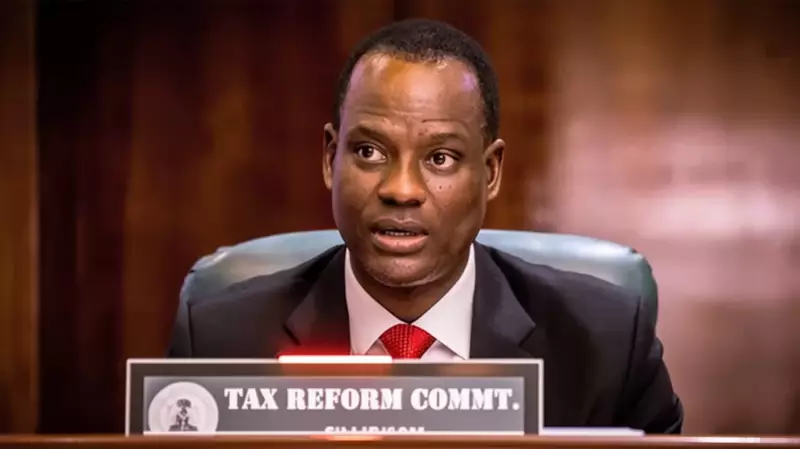
In a decisive move to streamline its revenue system and foster a business-friendly environment, the Lagos State Government has unveiled a groundbreaking proposal to consolidate the multitude of taxes and levies currently imposed on residents and businesses.
A Bold Move to End Tax Multiplicity
The plan, presented at a two-day tax reform summit themed 'The Lagos Implementation Roadmap', seeks to drastically reduce the number of official charges from a staggering 65 down to a single-digit figure of nine. The summit was convened by the Special Adviser to the Governor on Taxation and Revenue, Abdul-Kabir Opeyemi Ogungbo, on December 24, 2025.
Ogungbo highlighted the critical need for this reform, citing persistent complaints from the business community. "A single hospitality outfit is being visited by over 16 revenue-generating bodies at a go; things like this must stop," he stated, underscoring the problem of multiplicity and duplicity of taxes that the harmonisation aims to resolve.
The Proposed Nine Taxes and Levies
The proposed consolidated revenue framework includes the following nine categories:
- Income Tax
- Stamp Duties
- Property Tax
- Road Tax and Haulage Levy
- Economic Development Levy
- Harmonised Levy (covering shops, slaughter slab fees, motor parks, domestic animal fees, bicycles, trucks, canoes, wheelbarrows and carts, liquor licences, TV/radio fees, and other local government levies).
- User Charge (covering marriage, birth and death registration, street naming, signage, mobile advertisements, sewage and refuse disposal, burial permits, religious establishment fees, and wharf landing charges).
- Daily Ticketing (covering all market levies and transporters' tickets).
This consolidation is expected to centralise taxpayer data and harmonise revenue operations across state and local government tiers.
Implementation and Broader Goals
The State Attorney General and Commissioner for Justice, Lawal Pedro (SAN), representing Governor Babajide Sanwo-Olu, announced that the harmonised taxes will take effect in 2026. He emphasised the summit's goal to improve taxpayer confidence for voluntary compliance, broaden the tax base, and increase Internally Generated Revenue (IGR).
"The expected outcome of this summit is to have improved taxpayers' confidence that will command voluntary compliance," Pedro stated. He also called for similar harmonisation efforts at the national level to ensure uniformity across the federation.
The Executive Chairman of the Lagos State Internal Revenue Service (LIRS), Ayodele Subair, confirmed the scale of the reduction and linked the reform to poverty alleviation. He noted that key areas like food, accommodation, and transportation—previously VAT-exempt—will be zero-rated by 2026, meaning no sales tax will apply to these essential services.
The state plans to establish a technical committee, develop a legal framework, and conduct repeated training for revenue agencies to ensure smooth implementation. Chairperson of Conference 57 Lagos, Abdullahi Sesan Olowa, pledged to tackle tax duplicity from the grassroots and ensure full local government compliance.




