
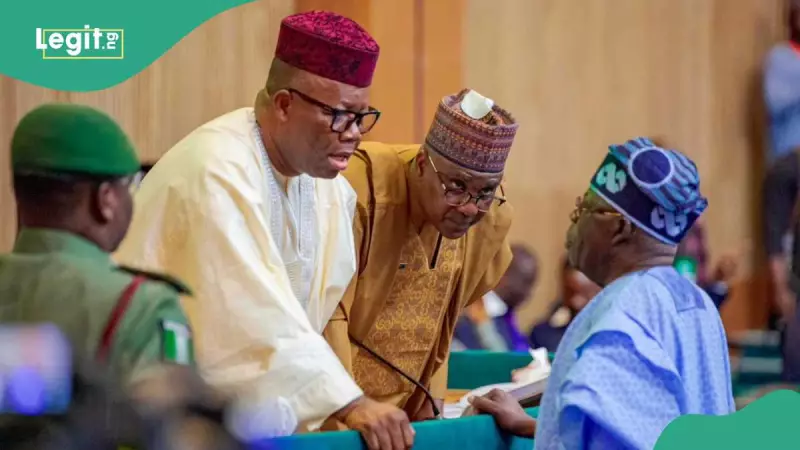
In a move to ensure transparency and address growing public concern, the House of Representatives has officially released the four tax reform acts recently signed into law by President Bola Tinubu. This development comes directly after a lawmaker raised an alarm about discrepancies in the legislation.
Allegation of Altered Laws Triggers Release
The decision to publish the acts was prompted by a serious allegation from a member of the House, Abdussamad Dasuki. He claimed there were noticeable differences between the versions of the tax laws passed by the National Assembly and the official gazetted copies made available to the public.
This claim sparked significant public outcry, with many Nigerians calling for a halt to the implementation of the new tax regime until the matter was clarified. In response, Akin Rotimi, the spokesperson for the House of Representatives, issued a statement on January 4, 2026, announcing the release of the documents to dispel any doubts.
The Four Key Tax Acts Now Public
The released legislation forms the cornerstone of the government's new fiscal policy. The four acts are now available for public scrutiny and download. They are:
- The Nigeria Tax Act 2025
- The Nigeria Tax Administration Act, 2025
- The Joint Revenue Board of Nigeria (Establishment) Act, 2025
- The Nigeria Revenue Service (Establishment) Act, 2025
Rotimi emphasized that this action was taken to uphold transparency and allow citizens to access the authentic documents. The statement was later shared on social media by Bayo Onanuga, the Special Adviser to the President on Information and Strategy, amplifying its reach.
Mixed Reactions from Nigerians
The publication of the tax laws has generated a wave of reactions from citizens across the country, reflecting widespread skepticism and demand for accountability.
Abubakar Sadiq voiced a common frustration about trust, stating, "I just hope you guys are being intentional about this tax issue. The masses are fed up and have lost trust in the government. We can’t keep paying taxes only for them to end up in the pockets of a few criminals."
Another user, Humanity, argued that transparency alone is insufficient: "Releasing documents after public outrage doesn’t automatically erase the hardship these tax laws impose on ordinary Nigerians. Transparency is good, but it does not replace the need for fair, people-centred policies."
Some called for direct communication from the top. Nathaniel Shofarasin urged, "Our President should address the Nation. All this back & forth would have been avoided with a confidence-building speech..." Others, like Atobajaye, criticized the timing, saying the delay in release had "undermined its credibility."
Victor Azuubuike pointed to a remaining demand, questioning the location of the harmonized copy sent to the executive by the National Assembly.
This episode follows a related controversy where a social media influencer, DonAza, rejected a federal government invitation to a training on the new tax laws, questioning the motives behind his selection.




