
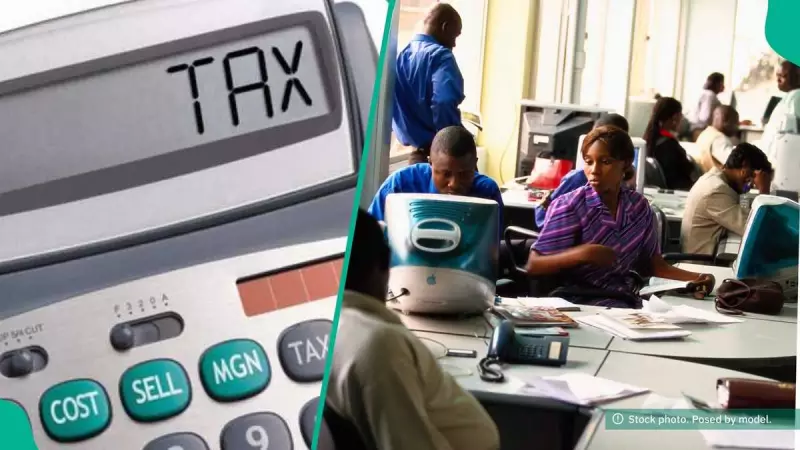
In the quiet hours of a Lagos morning, a single WhatsApp message sent a wave of panic through 20-year-old Helen Duru. The message, warning that from January 2026 the government would tax "every naira" entering bank accounts, including gifts, and debit accounts automatically, felt like a final blow to her already tight budget. Earning ₦70,000 monthly as an administrative assistant in Ikeja Computer Village, Helen's story mirrors the anxiety gripping millions of Nigerians as the country approaches the implementation of its most significant fiscal reforms in decades.
Decoding the New Tax Law: What Actually Changes on January 1, 2026
President Bola Tinubu signed the new Tax Reform Act into law in June 2025. This sweeping reform comprises four major pieces of legislation: the Nigerian Tax Act, the Nigerian Tax Administration Act, the Nigerian Revenue Service Establishment Act, and the Joint Revenue Board Establishment Act. From the first day of the new year, the Nigerian Tax Act and the Nigerian Tax Administration Act will directly impact individuals and businesses.
Taiwo Oyedele, Chairman of the Presidential Committee on Fiscal Policy and Tax Reforms, has consistently clarified that the reform's core aim is to reduce the tax burden for the majority and bring order to the system. "From January 1, 2026, the vast majority of Nigerians will see a reduction in the taxes they pay," Oyedele has argued. The law is designed to protect low-income earners while ensuring a fairer and more efficient system for compliance and enforcement.
Separating Viral Fiction from Fiscal Fact
The period leading to implementation has been rife with misinformation. Here is a breakdown of the most pervasive claims versus the reality under the new law.
LIE 1: A Flat 25% Income Tax for Everyone. This is false. Nigeria retains a progressive tax system. The 25% rate is the top band, and it only applies to very high earners after allowable deductions. To even approach this rate, an individual would need an annual income of about ₦240 million, or roughly ₦20 million per month. For the vast majority, tax rates are lower or non-existent.
TRUTH 1: Millions Will Pay Less or Nothing. The reform committee states that about one-third of Nigerian workers will be completely exempt from income tax. Individuals like Helen, earning below ₦1 million annually, fall below the new tax threshold. For example:
- An employee earning ₦840,000 yearly will see their Pay-As-You-Earn (PAYE) drop from ₦32,528 to ₦0.
- Someone earning ₦1.2 million annually will pay ₦42,000 instead of ₦63,600.
- Middle-class earners with salaries up to ₦18 million yearly will see reductions.
LIE 2: Tax on Every Bank Inflow, Including Gifts. This damaging rumour is untrue. The law taxes income, not all monetary inflows. Wedding gifts, church contributions, family support remittances from abroad, and refunds are not taxable. Students and those without income are not targeted. The key change is in enforcement: the law strengthens self-assessment, requiring Nigerians to declare what portion of funds received constitutes actual income.
To avoid confusion, clear transaction descriptions are advised:
- For family support: "Family gift" or "Family support".
- For loan repayments: "Refund" or "Expense reimbursement".
- For business customer payments: "Payment for goods supplied".
LIE 3: Automatic Debit of Bank Accounts for Tax. The government cannot and will not arbitrarily debit accounts. The tax payment process remains largely unchanged: salaried workers pay via PAYE handled by employers, while non-salary earners are expected to pay via self-assessment, typically annually. There is no provision for automatic, unannounced deductions.
What Enhanced Enforcement Really Means for Freelancers and Side Hustles
The reform aims to bring clarity and fairness to Nigeria's previously weak enforcement system. Digital workers, freelancers, and those with multiple income streams will now be expected to declare their income more accurately. However, this does not equate to harsher taxation.
For side hustles and small businesses, tax is applied only to profit (income minus legitimate business expenses), not gross revenue. Furthermore, businesses with an annual turnover below ₦100 million will no longer face automatic withholding tax deductions. If your total annual income, including side earnings, remains below the exemption threshold, you pay nothing.
Other clarifications include:
- Food Prices: VAT on food, education, and healthcare has been removed, so no tax-induced price hike is expected.
- Comparative Rates: Nigeria's top income tax rate of 25% remains lower than Ghana's and Kenya's 35%, and South Africa's 45%.
- Diaspora Concerns: The law taxes income sourced from Nigeria. Remittances sent from abroad by family and friends are not taxable, and the law introduces relief to avoid double taxation.
For Helen Duru and millions of Nigerians, the reality of the 2026 tax reform is far less frightening than the viral rumours suggested. The law is structured to provide relief to low and middle-income earners while building a more sustainable and transparent fiscal framework for the nation's future.




