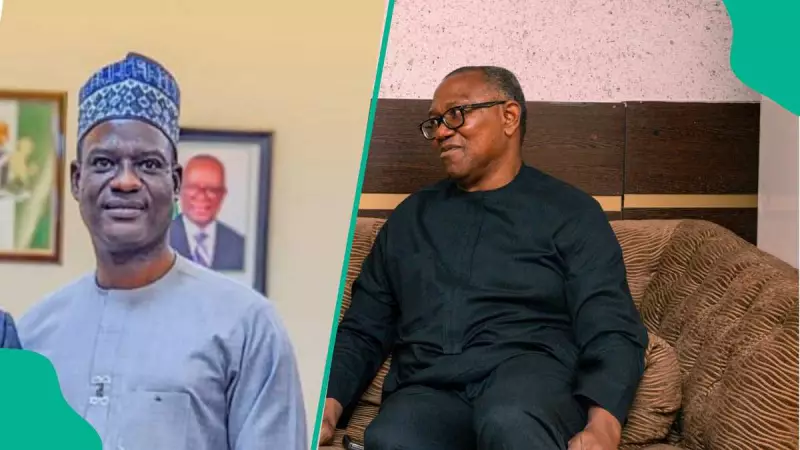
Former presidential candidate Peter Obi has issued a strong critique of Nigeria's recently implemented tax legislation, warning that the laws could deter investment and spark disputes. His statement, released on Tuesday, January 13, 2026, follows a report by the global audit and advisory firm KPMG which highlighted alleged errors and gaps in the new system.
KPMG Report Sparks Debate on Tax Law Flaws
The controversy centres on the Nigeria Tax Act (NTA), which took effect on Thursday, January 1, 2026. In a detailed analysis titled “Nigeria’s New Tax Laws: Inherent Errors, Inconsistencies, Gaps and Omissions,” KPMG warned that ambiguities and policy misalignments within the laws could undermine their objectives, potentially leading to capital flight and discouraging investors.
Peter Obi, a chieftain of the African Democratic Congress (ADC) and the Labour Party's 2023 presidential flagbearer, seized on this report. He asserted that the tax laws “have been fundamentally altered” and argued that such a critical revelation should prompt immediate governmental action.
NRS Defense and Closed-Door Clarifications
The presidential fiscal policy and tax reforms committee, led by Taiwo Oyedele, initially pushed back against KPMG's findings on January 10. The committee contended that many issues labelled as errors were either KPMG's own misunderstandings or invalid conclusions.
Subsequently, a meeting was held on Monday, January 12, between Zaach Adedeji, the Chairman of the Nigeria Revenue Service (NRS), and a delegation from KPMG. The NRS described the encounter as a “courtesy visit,” during which the firm's executives reportedly commended Adedeji's leadership. Sources indicated that KPMG sought clarity on specific provisions and that their “initial apprehensions have been significantly allayed.”
Obi Questions Transparency and Social Contract
Reacting to this development on his verified X (formerly Twitter) page, Peter Obi expressed deep concern over the need for private meetings to resolve the tax law's complexities. “If experts require closed-door discussions to navigate the complexities of our tax laws, what hope does the average Nigerian have?” he questioned.
Obi framed taxation as a core social contract between the government and its citizens, a contract he believes is broken when the laws are not understood. He criticised the prevailing narrative in Nigeria, which he says focuses on government extraction rather than citizen benefits.
“Globally, tax policies are justified by delivering tangible benefits to citizens: improved healthcare, better educational systems, job opportunities, infrastructure development, and social safety nets,” Obi stated. “A tax system devoid of clear public benefits isn’t reform; it is, quite frankly, extortion.” He called for a pause in the law's implementation to address the alleged critical flaws.
This tax debate occurs alongside criticism from other political figures, including former Vice President Atiku Abubakar, who has labelled alterations to the law as “an act of treason.” The unfolding discourse places the Tinubu administration's key fiscal reforms under intense public and expert scrutiny, with significant implications for Nigeria's economic policy and investment climate.