
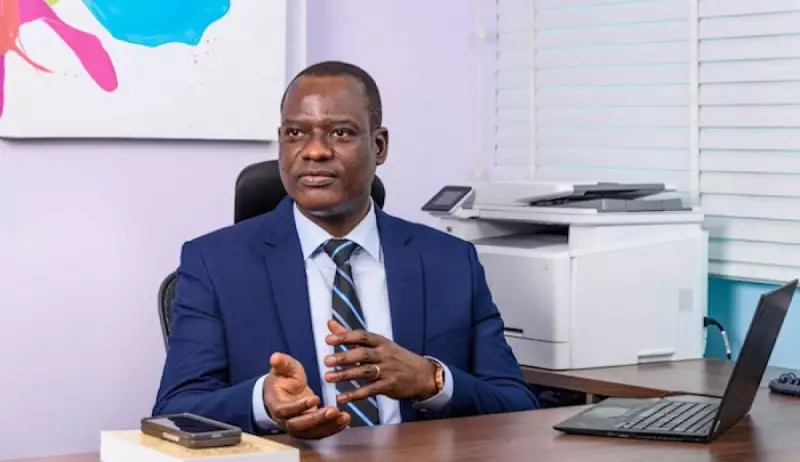
The Chairman of the Presidential Fiscal Policy and Tax Reforms Committee, Taiwo Oyedele, has issued a stark warning about the consequences for ordinary Nigerians if the recently signed tax reform bills are not implemented as scheduled by January 1, 2026.
Majority of Workers to Bear Brunt of Delay
Speaking on Channels Television’s The Morning Brief on Monday, December 22, Oyedele stated that the primary casualty of any suspension or delay would be the vast majority of the workforce. "The implication of not implementing the new tax laws by January 1, 2026, is that the bottom 98 per cent of workers remain overtaxed," he declared.
This statement comes amid calls from prominent figures, including former Vice President Atiku Abubakar, 2023 Labour Party presidential candidate Peter Obi, and various civil society groups, for the suspension of the laws' implementation.
Broader Economic Consequences Outlined
Oyedele elaborated that the negative impact would extend far beyond individual workers. He argued that businesses would continue to suffer under the burden of multiple taxation and would miss out on new exemptions designed to ease their operational costs.
Furthermore, he warned that small and unprofitable enterprises would still be subject to minimum taxes, stifling growth and entrepreneurship. A critical concern he highlighted was the persistence of hidden Value-Added Tax (VAT), which he said would keep driving up the cost of essential goods and services. This includes everyday necessities like food, healthcare, and education, placing a heavier burden on household budgets.
Call for Targeted Amendments, Not Outright Suspension
Rather than an outright suspension, Oyedele advocated for a more nuanced approach. He suggested that specific areas of concern within the laws should be identified and corrected through the appropriate legislative channels.
"So, we need to be clear about what we are asking for," Oyedele advised. He proposed that even if discrepancies are found, the government should "go ahead to implement the law as passed by the NASS, while you address the issues as to how they got in there in the first place."
He revealed that his own committee had already identified sections in the version passed by the National Assembly that require amendment, citing issues with referencing and definitions.
Addressing the Gazette Controversy
The committee chairman also addressed the ongoing controversy regarding alleged discrepancies between the bills passed by lawmakers and the versions later published in the official gazette. This issue was raised in the House of Representatives by member Abdulsamad Dasuki.
Oyedele noted the difficulty in verifying these claims without access to the officially harmonised bills certified by the Clerk of the National Assembly. He cited the example of a controversial provision for a 20 per cent deposit in Section 41(8), which appeared in a draft but was not included in the final gazetted version.
"What is out there in the media did not come from the committee set up by the House of Representatives. I think we should allow them do the investigation," he stated, urging patience as the legislative body conducts its probe.
President Bola Tinubu has already signed the four pivotal bills into law, heralding them as the most significant overhaul of Nigeria's tax system in decades. The reforms, set for a 2026 start, encompass the Nigeria Tax Act, the Nigeria Tax Administration Act, the Nigeria Revenue Service (Establishment) Act, and the Joint Revenue Board (Establishment) Act. All are designed to operate under a single authority, the Nigeria Revenue Service.




