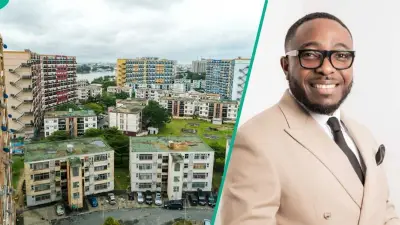
Tourism and real estate stakeholders have launched a new infrastructure-driven framework aimed at repositioning Nigeria as a global tourism destination, with Abuja selected as the pilot city. The initiative, unveiled in Abuja, is anchored on the National Infrastructural Tourism Development Initiative (NITDI), a framework designed to unlock Nigeria's cultural, historical and natural assets for both domestic and international tourism.
Public-Private Collaboration
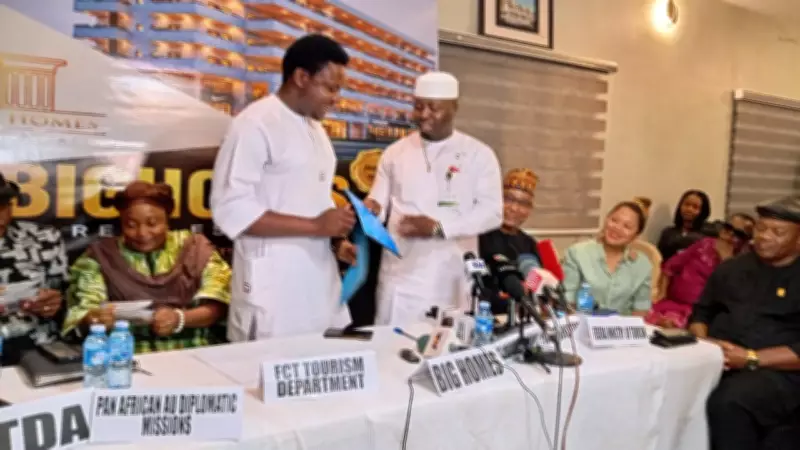
The programme was developed through collaboration between public and private sector stakeholders and focuses on improving critical infrastructure, enhancing tourism experiences and promoting sustainable tourism practices across the country. Speaking during the signing of a Memorandum of Understanding, Executive Director of the Tourism Volunteers Network, Phil Roberts, said infrastructure remains central to the growth of any successful tourism industry.
According to him, one of the biggest challenges facing Nigeria's tourism sector is the inability to transform tourism sites into fully developed destinations. "A tourism site remains static, but it becomes a destination when supported with infrastructure such as roads, electricity, housing, internet, food systems and security," Roberts said.
Abuja as Pilot City
He disclosed that Abuja has been designated as a "Living Infrastructure Tourism City," which will serve as a pilot model for implementation across other parts of the country. The MoU was signed between Roberts, representing tourism stakeholders, and Big Homes Nigeria, represented by its Managing Director, Topsy Essien.
Roberts outlined several tourism development zones within the Federal Capital Territory, including Aso Rock as an iconic tourism hub, Jabi Lake as a waterfront and blue economy destination, while Maitama and Asokoro were identified as luxury tourism zones. He also identified Mpape and Katampe as nature and adventure tourism areas, while Bwari and AMAC were designated for agro-tourism development.
Lessons from Global Leaders
According to him, the zoning structure is intended to maximise Abuja's natural and infrastructural assets while creating diverse visitor experiences. Roberts cited countries such as China, Dubai and the United States as examples where infrastructure investment has successfully driven tourism growth. "With the right infrastructure, Nigeria can become a destination the world comes to see," he said.
He further stressed the importance of stronger collaboration with institutions such as the Nigeria Tourism Development Authority to strengthen policy implementation and attract private investment into the sector. Roberts identified limited access to financing as one of the major obstacles slowing tourism growth, noting that many investors and operators struggle to scale their businesses due to funding constraints.
Real Estate and Tourism Integration
Stakeholders also highlighted the role of real estate development in strengthening tourism, arguing that buildings and urban spaces should be designed as experiential destinations capable of attracting visitors. "Every building should be designed as a potential destination where people can visit, experience and even pay to access unique spaces," Roberts added.
The NITDI framework seeks to integrate tourism, infrastructure and real estate development while promoting sustainable urban planning, job creation and foreign direct investment. As part of the initiative, Abuja will serve as the pilot city before expansion into other states through partnerships with federal ministries and agencies.
Upcoming Summit
Roberts also announced that the Infrastructural Tourism Development Summit 2026 is scheduled to be held on September 24 in Abuja to commemorate World Tourism Day 2026 under the theme, "Building Today, Building Tomorrow: Infrastructure for a Stronger Tourism Future."
In his remarks, Essien reaffirmed Big Homes Nigeria's commitment to building sustainable and tourism-friendly communities. He disclosed that ongoing projects in Jabi, Dakibiyu and Durumi are being developed as integrated ecosystems combining housing, recreation, healthcare and commercial services.
Essien also advocated architectural designs that reflect Nigeria's culture and climate, noting that originality and local identity would strengthen the country's appeal to international visitors.