
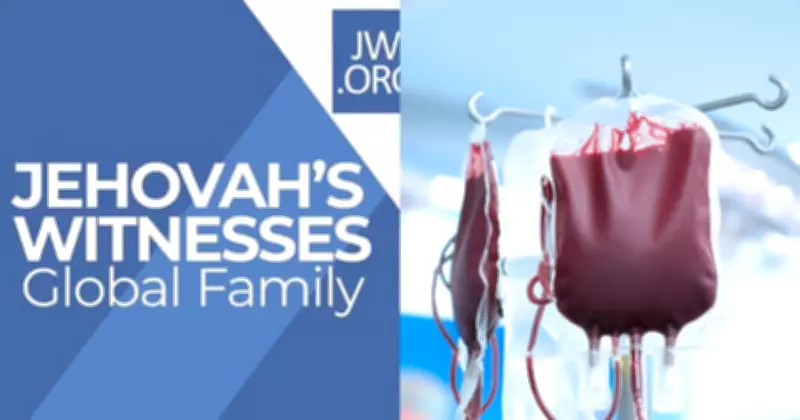
Jehovah's Witnesses Adjust Blood Policy to Allow Members to Store Own Blood for Future Medical Use
In a significant shift, the Jehovah's Witnesses Church has revised its longstanding policy on blood transfusions, now permitting members to store and utilize their own blood for future medical procedures. This development marks a notable change from the denomination's previous strict prohibition on blood-related medical interventions.
Policy Clarification from Church Leadership
The announcement came through the church's media channels, where a leadership committee member explained that after extensive prayer and scriptural consideration, the governing body has clarified its position regarding the use of a member's own blood in medical care. "Each Christian must decide for himself how his own blood will be used in all medical and surgical care," stated the representative. "This includes whether to allow his own blood to be removed, stored, and given back to him."
This new directive represents a relaxation of the church's previous guidelines that completely banned the removal and transfusion of blood. While the church maintains that Christians are not bound by Mosaic Laws, they continue to follow the Apostolic command to abstain from blood. However, the church noted that the Bible remains silent on the specific matter of using one's own blood for medical purposes, thus allowing individual members to make personal decisions regarding their health care.
Specifics of the Revised Policy
The updated policy specifically addresses what is known as autologous transfusion - the process of collecting and storing a patient's own blood for potential future use during surgical procedures. Unlike in previous years when members faced absolute restrictions, they can now elect to have their blood removed and preserved for future medical needs.
Importantly, the church's clarification emphasizes that this policy adjustment pertains specifically to a member's own blood. The receiving of blood transfusions from third parties or donors remains prohibited for Jehovah's Witnesses members, maintaining the church's fundamental position against blood transfusions from external sources.
Social Media Reaction and Historical Context
The policy change has generated considerable discussion across social media platforms, where many observers have commented on the church's previous stance that they believe contributed to preventable deaths. Numerous references have been made to recent cases, including that of popular personal shopper Aunty Esther, a Jehovah's Witness member who reportedly refused blood transfusion treatment for breast cancer.
This policy revision comes approximately 75 years after the church first implemented its ban on blood transfusions. The Jehovah's Witnesses denomination, known for its distinctive lifestyle guidelines and religious practices, has faced criticism and even bans in several countries including Russia, China, Singapore, and Eritrea, where the church has been classified as an extremist organization.
Implications for Members' Medical Decisions
The updated policy provides Jehovah's Witnesses members with greater autonomy in making medical decisions while still operating within their religious framework. Members now have the option to consider autologous blood transfusion as part of their medical planning, particularly for scheduled surgical procedures where blood loss might be anticipated.
This development represents a nuanced approach to balancing religious convictions with medical advancements, allowing individual members to make informed decisions about their own healthcare while maintaining the church's fundamental religious principles regarding blood. The policy clarification specifically empowers members to determine how their own blood will be handled in medical contexts, marking a significant evolution in the denomination's approach to healthcare decisions.