
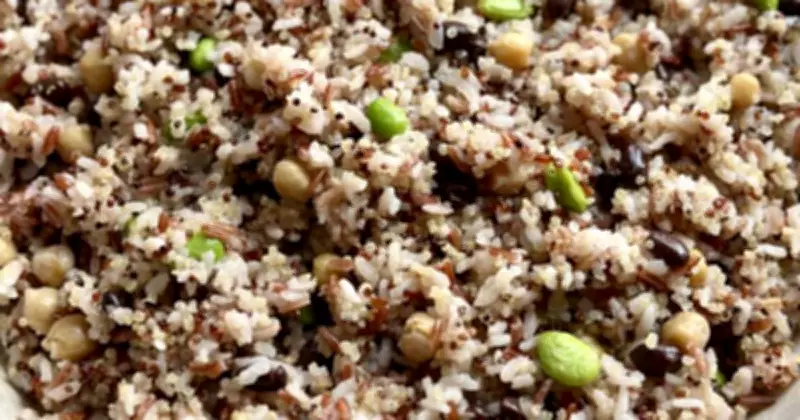
Transform Your Comfort Food: The Multigrain Rice Revolution
Rice stands as a dependable staple across Nigerian households, faithfully carrying stews, sauces, and curries while providing essential sustenance. However, what if your everyday bowl of rice could deliver enhanced nutritional benefits without sacrificing its comforting appeal? A simple multigrain rice mix offers precisely this opportunity, combining traditional rice with quinoa and lentils to create a smarter, more nourishing meal.
Why Reinforce Your Regular Rice?
Plain white rice primarily consists of carbohydrates, which fuel brain function and muscular activity. While not inherently harmful, rice alone contains relatively low levels of fibre and protein, potentially leading to quicker hunger pangs after consumption. By integrating quinoa and lentils into your rice, you fundamentally alter the meal's nutritional profile.
This combination introduces dietary fibre that slows digestion, plant-based protein that promotes prolonged satiety, and vital micronutrients supporting cardiovascular health, blood circulation, muscular function, and gastrointestinal wellness. Rather than eliminating rice from your diet, you strategically reinforce it with complementary ingredients.
The Nutritional Power of Quinoa
Quinoa, technically classified as a pseudocereal seed rather than a traditional grain, comes in white, red, and black varieties. In a multigrain mix, white quinoa blends seamlessly with rice while black quinoa provides subtle texture and visual contrast. Nutritionally, quinoa delivers impressive benefits per 185-gram cooked serving:
- 222 calories with 8 grams of protein
- 5 grams of fibre and 39 grams of carbohydrates
- Essential micronutrients including 19% daily folate, 28% magnesium, and 15% iron
As a complete protein containing all nine essential amino acids, quinoa proves particularly valuable for individuals reducing meat consumption or following plant-based diets. Its fibre content, approximately 18% of recommended daily intake per cup, enhances digestive health and sustains fullness without causing discomfort.
Lentils: The Nutritional Game-Changer
Lentils dramatically elevate the nutritional value of rice dishes through their rich plant protein content, which maintains muscle, skin, and bone integrity while moderating appetite by slowing gastric emptying. Naturally gluten-free, lentils accommodate dietary restrictions while offering substantial health advantages.
A half-cup serving of cooked lentils provides approximately 15% of daily iron requirements, over 270 milligrams of potassium in split red varieties, and significant dietary fibre. Beyond basic nutrition, lentils deliver comprehensive health benefits:
- Chronic disease protection through anti-inflammatory polyphenols linked to reduced heart disease, diabetes, obesity, and cancer risks
- Blood pressure regulation via potassium's sodium-balancing effects and cardiovascular improvement when substituting red meat
- Heart health support from folate, iron, and vitamin B1 promoting healthy red blood cells and lowering homocysteine levels
- Energy enhancement through iron-facilitated oxygen transport, combating fatigue and anemia susceptibility
- Gut health optimization via fermentable fibre nourishing beneficial bacteria and reducing colorectal disease risks
When cooked with rice, lentils soften and integrate seamlessly, creating a cohesive, balanced texture rather than a separate "beans and rice" experience.
Preparing Your Multigrain Rice Mix
Begin with your preferred rice base—white, jasmine, or brown varieties all work effectively. Combine with measured portions of black quinoa, white quinoa, red lentils, and green lentils, maintaining a rice-dominant ratio. A practical guideline uses three cups of rice with half-cup increments of each additional grain and legume.
After thorough mixing, store your blend in an airtight container for convenient access. The recipe allows for creative experimentation: incorporate barley, try different rice varieties, or substitute red quinoa for black. This flexibility represents part of the mixture's appeal.
Simplified Cooking Methodology
Measure your desired multigrain portion and rinse under cold water until runoff appears nearly clear, removing excess starch and surface residue. For general digestion, thirty-minute soaking suffices, while individuals with legume sensitivity may benefit from overnight soaking to reduce potential bloating.
Cook in boiling water with added salt and optional oil, following standard rice preparation techniques. The result yields fluffy yet textured grains with nutty, substantial qualities. Enjoy plain, pair with traditional stews, accompany grilled vegetables, or prepare in chicken stock for enhanced flavor depth.
The Broader Nutritional Perspective
This approach focuses not on eliminating rice but on improving the nutritional density of regularly consumed meals. A single multigrain mixture increases fibre consumption, enhances protein quality, and incorporates iron, magnesium, zinc, folate, and potassium without drastic dietary changes. It remains recognizably rice—simply optimized for better health outcomes.